
синонимы
Психологический стресс
Поделитесь ссылкой, эта страница уже просматривалась 23 раз.
1. Психологический стресс
8 неправильное написание
писхологический стресс
ппсихологический стресс
псиихологический стресс
псиохлогический стресс
психхологический стресс
пссихологический стресс
псхиологический стресс
спихологический стресс
Все синонимы в одной строке
психическое напряжение, психологическое напряжение.
Понравился сайт?
Этот поиск занял 0.0183 сек. Подумайте, как часто вы ищете, чем заменить слово? Наверное, часто. Добавьте в закладки synonym.one, чтобы быстро находить синонимы, антонимы и значения. (нажмите Ctrl + D на клавиатуре).
пожалуйста, оставьте свой
комментарий
Бесплатный большой онлайн словарь синонимов русского языка. Удобный поиск, сортировка, возможность сохранить файл синонимов. Использование материалов сайта разрешено только после согласия Администрации проекта.
18+
Обратная связь

-
Под конец я прошла тест оценки личности, в ходе которого выявилось, что мои наиболее характерные черты — эгоцентризм и повышенная чувственность, стремление к доминированию, вербальная агрессия и завышенная самооценка, а также низкие показатели негативной аффектации (то есть для меня нехарактерны фобии, психологические стрессы и симптомы депрессии), поддержания межличностных отношений и вялая реакция на стрессовые события.
-
При этом ранние жизненные психологические стрессы находят своё негативное отражение в психике человека и делают его не самозащищенным от поступающих стрессов, что способствует развитию различных заболеваний.
-
Многими учёными психологический стресс определяется как сильная неблагоприятная для организма психологическая и физиологическая реакция на воздействие экстремальных факторов, воспринимаемых человеком как угроза его благополучию.
-
В любом случае в основе эмоционального или психологического стресса лежит конфликтная ситуация, в условиях которой человек длительно или остро не может удовлетворить жизненно важные социальные или биологические потребности.
-
Буквально накануне войны, в дни июльского кризиса 1914 года страна переживала глубокий психологический стресс и отсутствие ясного целеполагания, о которых сегодня почему-то не принято говорить, как будто бы всё наладилось и вошло в полосу благоденствия благодаря подъёму экономики и урожаям.
На букву П Со слова «психологический»
Фраза «психологический стресс»
Фраза состоит из двух слов и 21 букв без пробелов.
- Синонимы к фразе
- Написание фразы наоборот
- Написание фразы в транслите
- Написание фразы шрифтом Брайля
- Передача фразы на азбуке Морзе
- Произношение фразы на дактильной азбуке
- Остальные фразы со слова «психологический»
- Остальные фразы из 2 слов
 04:22
04:22
Лечебная Музыка для Снятия Стресса, Усталости, Депресии, Негатива | Супер Медитативная Музыка
 08:41
08:41
Управление стрессом – как снять стресс
 03:12
03:12
Что такое Психологический стресс. Ч.1
 04:41
04:41
Как снять психологический стресс
 55:00
55:00
Глава 13. Психологический стресс и стрессовая реакция. Психология стресса. Роберт Сапольски.
 17:12
17:12
#Медитация на снятие психологической травмы, стресса.
Синонимы к фразе «психологический стресс»
Какие близкие по смыслу слова и фразы, а также похожие выражения существуют. Как можно написать по-другому или сказать другими словами.
Фразы
- + агрессивное поведение −
- + акцентуация характера −
- + биохимические изменения −
- + боевой стресс −
- + болезненные переживания −
- + выученная беспомощность −
- + деятельность мозга −
- + жизненные трудности −
- + индивидуальные различия −
- + информационная перегрузка −
- + механизмы психологической защиты −
- + многочисленные исследования −
- + мозговые процессы −
- + невротические расстройства −
- + недостаток сна −
- + общий адаптационный синдром −
- + постоянный стресс −
- + психика человека −
- + психическое напряжение −
- + психологическая защита −
- + психологическая проблема −
- + психологические последствия −
- + психологические причины −
- + психологические факторы −
Ваш синоним добавлен!
Написание фразы «психологический стресс» наоборот
Как эта фраза пишется в обратной последовательности.
ссертс йиксечиголохисп 😀
Написание фразы «психологический стресс» в транслите
Как эта фраза пишется в транслитерации.
в армянской🇦🇲 պսիխոլոգիչեսկիյ ստրեսս
в грузинской🇬🇪 პსიხოლოგიჩესკი სთრესს
в латинской🇬🇧 psikhologichesky stress
Как эта фраза пишется в пьюникоде — Punycode, ACE-последовательность IDN
xn--c1aehbbgfe0abhyh3c9a xn--e1avccac
Как эта фраза пишется в английской Qwerty-раскладке клавиатуры.
gcb[jkjubxtcrbqcnhtcc
Написание фразы «психологический стресс» шрифтом Брайля
Как эта фраза пишется рельефно-точечным тактильным шрифтом.
⠏⠎⠊⠓⠕⠇⠕⠛⠊⠟⠑⠎⠅⠊⠯⠀⠎⠞⠗⠑⠎⠎
Передача фразы «психологический стресс» на азбуке Морзе
Как эта фраза передаётся на морзянке.
⋅ – – ⋅ ⋅ ⋅ ⋅ ⋅ ⋅ ⋅ ⋅ ⋅ ⋅ – – – ⋅ – ⋅ ⋅ – – – – – ⋅ ⋅ ⋅ – – – ⋅ ⋅ ⋅ ⋅ ⋅ – ⋅ – ⋅ ⋅ ⋅ – – – ⋅ ⋅ ⋅ – ⋅ – ⋅ ⋅ ⋅ ⋅ ⋅ ⋅ ⋅ ⋅
Произношение фразы «психологический стресс» на дактильной азбуке
Как эта фраза произносится на ручной азбуке глухонемых (но не на языке жестов).
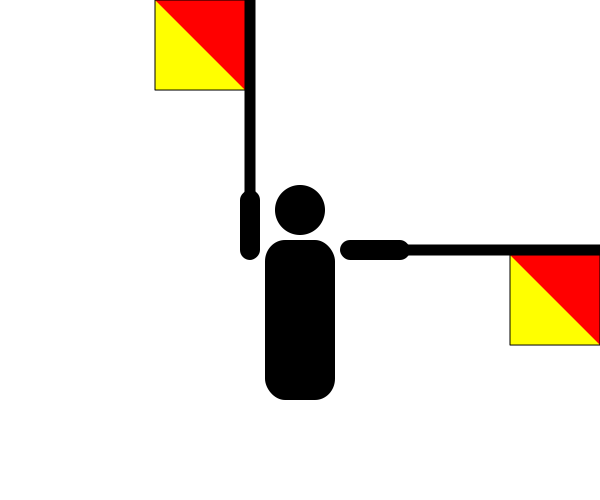
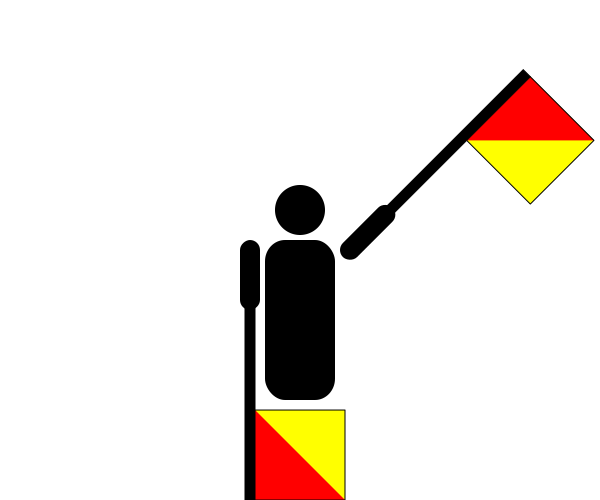
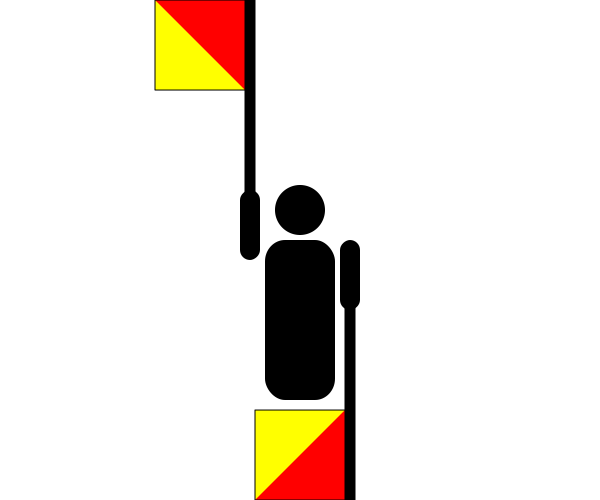
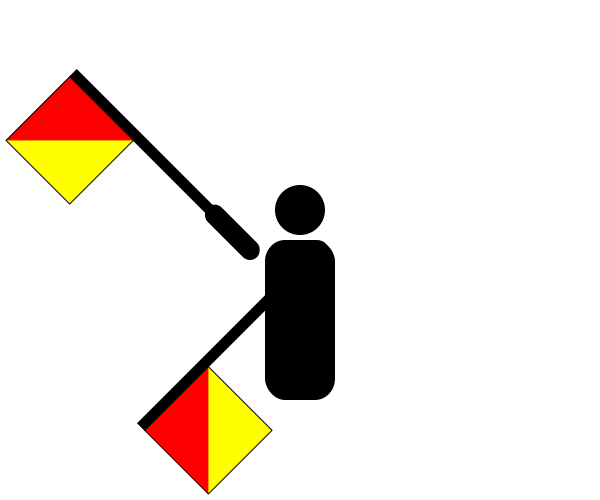
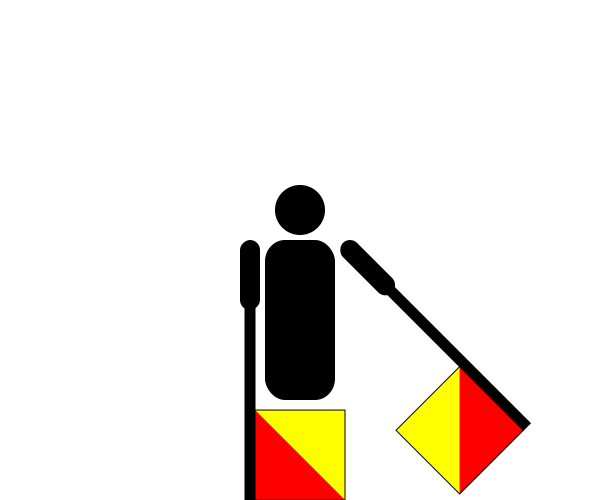
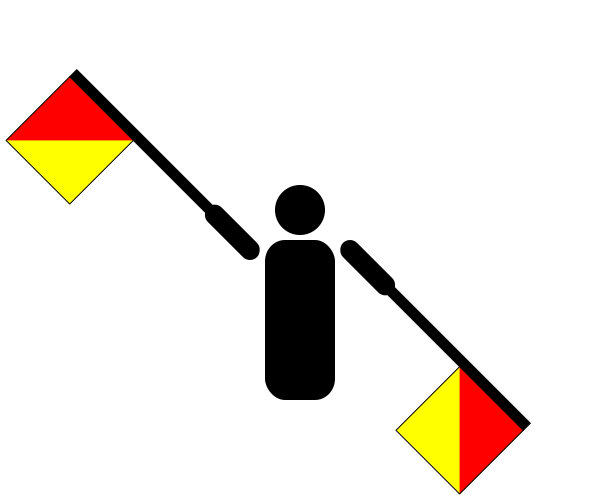
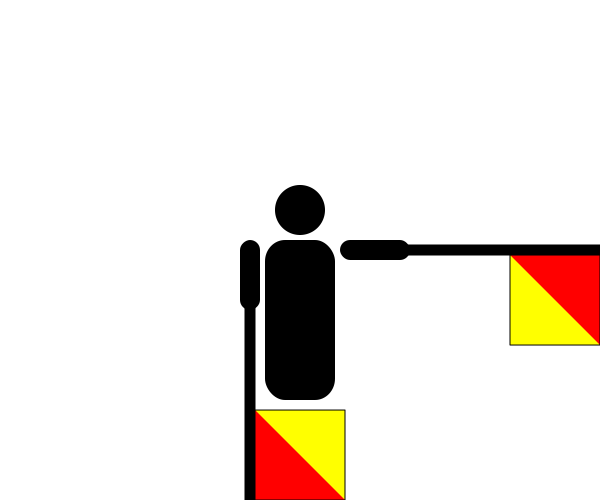
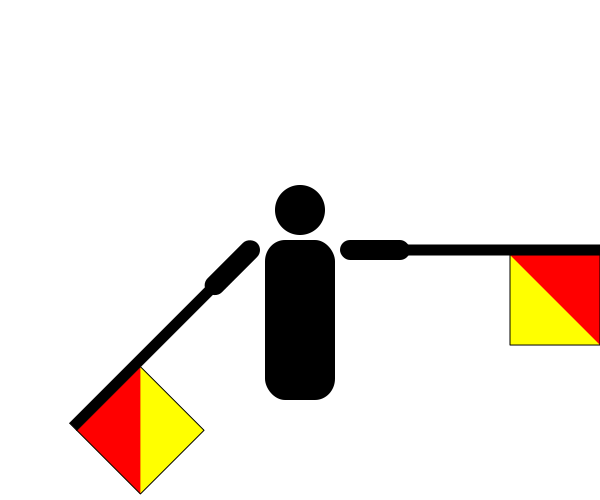
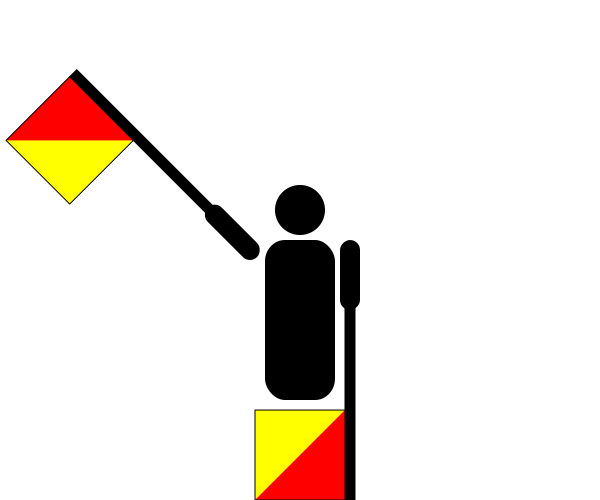
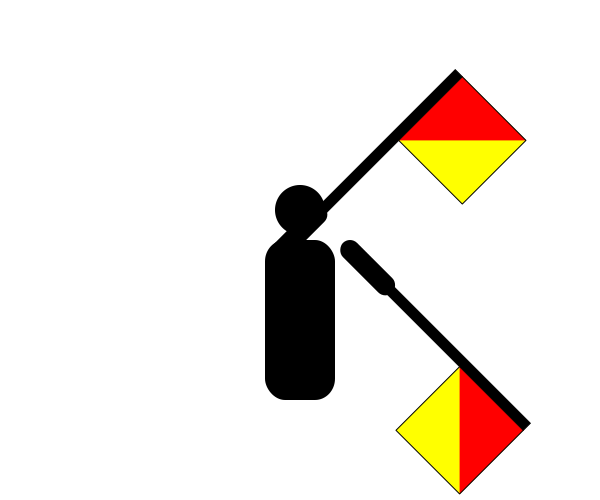
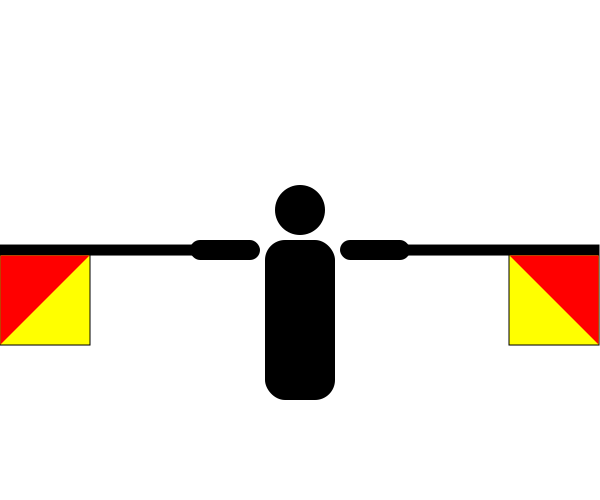
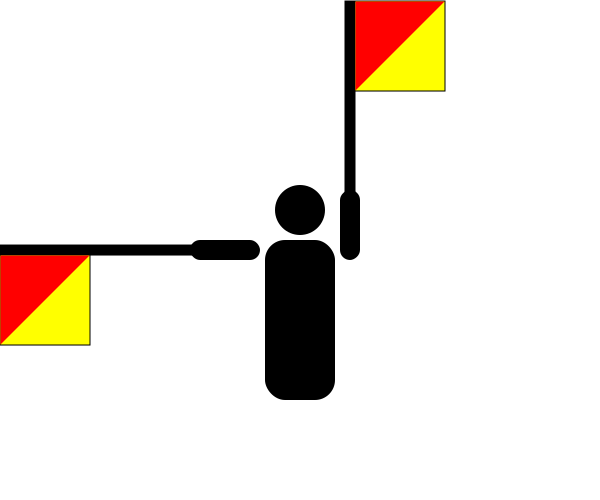
Передача фразы «психологический стресс» семафорной азбукой
Как эта фраза передаётся флажковой сигнализацией.
Остальные фразы со слова «психологический»
Какие ещё фразы начинаются с этого слова.
- психологический анализ
- психологический аспект
- психологический барьер
- психологический голод
- психологический дискомфорт
- психологический журнал
- психологический климат
- психологический комфорт
- психологический контакт
- психологический контракт
- психологический механизм
- психологический момент
- психологический настрой
- психологический опыт
- психологический план
- психологический пол
- психологический портрет
- психологический прессинг
- психологический приём
- психологический профиль
- психологический процесс
- психологический расчёт
- психологический роман
- психологический смысл
Ваша фраза добавлена!
Остальные фразы из 2 слов
Какие ещё фразы состоят из такого же количества слов.
- а вдобавок
- а вдруг
- а ведь
- а вот
- а если
- а ещё
- а именно
- а капелла
- а каторга
- а ну-ка
- а приятно
- а также
- а там
- а то
- аа говорит
- аа отвечает
- аа рассказывает
- ааронов жезл
- аароново благословение
- аароново согласие
- аб ово
- абажур лампы
- абазинская аристократия
- абазинская литература
Комментарии
 @gxja 02.01.2020
 12:40
Что значит фраза «психологический стресс»? Как это понять?..
Ответить
@eugbnnn 31.10.2022 21:59
 1
1
×
Здравствуйте!
У вас есть вопрос или вам нужна помощь?
Спасибо, ваш вопрос принят.
Ответ на него появится на сайте в ближайшее время.
А Б В Г Д Е Ё Ж З И Й К Л М Н О П Р С Т У Ф Х Ц Ч Ш Щ Ъ Ы Ь Э Ю Я
Транслит Пьюникод Шрифт Брайля Азбука Морзе Дактильная азбука Семафорная азбука
Палиндромы Сантана
Народный словарь великого и могучего живого великорусского языка.
Онлайн-словарь слов и выражений русского языка. Ассоциации к словам, синонимы слов, сочетаемость фраз. Морфологический разбор: склонение существительных и прилагательных, а также спряжение глаголов. Морфемный разбор по составу словоформ.
По всем вопросам просьба обращаться в письмошную.
| Psychological stress |
|---|
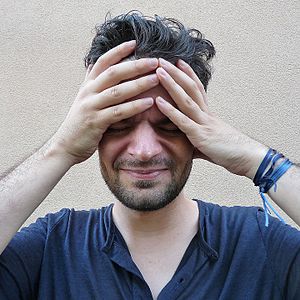 |
| A man expressing stress |
In psychology, stress is a feeling of emotional strain and pressure.[1] Stress is a type of psychological pain. Small amounts of stress may be beneficial, as it can improve athletic performance, motivation and reaction to the environment. Excessive amounts of stress, however, can increase the risk of strokes, heart attacks, ulcers, and mental illnesses such as depression[2] and also aggravation of a pre-existing condition.
Psychological stress can be external and related to the environment,[3] but may also be caused by internal perceptions that cause an individual to experience anxiety or other negative emotions surrounding a situation, such as pressure, discomfort, etc., which they then deem stressful.
Hans Selye (1974) proposed four variations of stress.[4] On one axis he locates good stress (eustress) and bad stress (distress). On the other is over-stress (hyperstress) and understress (hypostress). Selye advocates balancing these: the ultimate goal would be to balance hyperstress and hypostress perfectly and have as much eustress as possible.[5]
The term «eustress» comes from the Greek root eu- which means «good» (as in «euphoria»).[6] Eustress results when a person perceives a stressor as positive.[7]
«Distress» stems from the Latin root dis- (as in «dissonance» or «disagreement»).[6] Medically defined distress is a threat to the quality of life. It occurs when a demand vastly exceeds a person’s capabilities.[7]
Causes[edit]
Neutrality of stressors[edit]
Stress is a non-specific response.[5] It is neutral, and what varies is the degree of response. It is all about the context of the individual and how they perceive the situation. Hans Selye defined stress as “the nonspecific (that is, common) result of any demand upon the body, be the effect mental or somatic.”[5] This includes the medical definition of stress as a physical demand and the colloquial definition of stress as a psychological demand. A stressor is inherently neutral meaning that the same stressor can cause either distress or eustress. It is individual differences and responses that induce either distress or eustress.[8]
Types of stressors[edit]
A stressor is any event, experience, or environmental stimulus that causes stress in an individual.[9] These events or experiences are perceived as threats or challenges to the individual and can be either physical or psychological. Researchers have found that stressors can make individuals more prone to both physical and psychological problems, including heart disease and anxiety.[10]
Stressors are more likely to affect the health of an individual when they are «chronic, highly disruptive, or perceived as uncontrollable».[10] In psychology, researchers generally classify the different types of stressors into four categories: 1) crises/catastrophes, 2) major life events, 3) daily hassles/microstressors, and 4) ambient stressors. According to Ursin (1988), the common factor between these categories is an inconsistency between expected events («set value») and perceived events («actual value») that cannot be resolved satisfactorily,[11] which puts stress into the broader context of cognitive-consistency theory.[12]
Crises/catastrophes[edit]
This type of stressor is unforeseen and unpredictable and, as such, is completely out of the control of the individual.[10] Examples of crises and catastrophes include: devastating natural disasters, such as major floods or earthquakes, wars, pandemics, etc. Though rare in occurrence, this type of stressor typically causes a great deal of stress in a person’s life. A study conducted by Stanford University found that after natural disasters, those affected experienced a significant increase in stress level.[10] Combat stress is a widespread acute and chronic problem. With the rapid pace and the urgency of firing first, episodes of accidentally killing friendly forces (“brother” killing “brother” or fratricide) may happen. Prevention requires stress reduction, emphasis on vehicle and other identification training, awareness of the tactical situation, and continual risk analysis by leaders at all levels.[13]
Major life events[edit]
Common examples of major life events include: marriage, going to college, death of a loved one, birth of a child, divorce, moving houses, etc. These events, either positive or negative, can create a sense of uncertainty and fear, which will ultimately lead to stress. For instance, research has found the elevation of stress during the transition from high school to university, with college freshmen being about two times more likely to be stressed than final year students.[14] Research has found major life events are somewhat less likely to be major causes of stress, due to their rare occurrences.[10]
The length of time since occurrence and whether or not it is a positive or negative event are factors in whether or not it causes stress and how much stress it causes. Researchers have found that events that have occurred within the past month generally are not linked to stress or illness, while chronic events that occurred more than several months ago are linked to stress and illness[15] and personality change.[16] Additionally, positive life events are typically not linked to stress – and if so, generally only trivial stress – while negative life events can be linked to stress and the health problems that accompany it.[10] However, positive experiences and positive life changes can predict decreases in neuroticism.[16][17]
Daily hassles/microstressors[edit]
This category includes daily annoyances and minor hassles.[10] Examples include: making decisions, meeting deadlines at work or school, traffic jams, encounters with irritating personalities, etc. Often, this type of stressor includes conflicts with other people. Daily stressors, however, are different for each individual, as not everyone perceives a certain event as stressful. For example, most people find public speaking to be stressful, but someone who has experience with it will not.
Daily hassles are the most frequently occurring type of stressor in most adults. The high frequency of hassles causes this stressor to have the most physiological effect on an individual. Carolyn Aldwin, Ph.D., conducted a study at the Oregon State University that examined the perceived intensity of daily hassles on an individual’s mortality. Aldwin’s study concluded that there is a strong correlation between individuals who rate their hassles as very intense and a high level of mortality. One’s perception of their daily stressors can have a modulating effect on the physiological impact of daily stressors.[18]
There are three major psychological types of conflicts that can cause stress.
- The approach-approach conflict, occurs when a person is choosing between two equally attractive options, i.e. whether to go see a movie or to go see a concert.[10]
- The avoidance-avoidance conflict, occurs where a person has to choose between two equally unattractive options, for example, to take out a second loan with unappealing terms to pay off the mortgage or to face foreclosure on one’s house.[10]
- The approach-avoidance conflict,[10] occurs when a person is forced to choose whether or not to partake in something that has both attractive and unattractive traits – such as whether or not to attend an expensive college (meaning taking out loans now, but also meaning a quality education and employment after graduation).
Travel-related stress results from three main categories: lost time, surprises (an unforeseen event such as lost or delayed baggage) and routine breakers (inability to maintain daily habits).[19]
Ambient stressors[edit]
As their name implies, these are global (as opposed to individual) low-grade stressors that are a part of the background environment. They are defined as stressors that are «chronic, negatively valued, non-urgent, physically perceptible, and intractable to the efforts of individuals to change them».[20] Typical examples of ambient stressors are pollution, noise, crowding, and traffic. Unlike the other three types of stressor, ambient stressors can (but do not necessarily have to) negatively impact stress without conscious awareness.[20]
Organizational stressors[edit]
Studies conducted in military and combat fields show that some of the most potent stressors can be due to personal organizational problems in the unit or on the home front.[21] Stress due to bad organizational practices is often connected to «Toxic Leadership», both in companies and in governmental organizations.[22]
Stressor impact[edit]
Life events scales can be used to assess stressful things that people experience in their lives. One such scale is the Holmes and Rahe Stress Scale, also known as the Social Readjustment Rating Scale, or SRRS.[23] Developed by psychiatrists Thomas Holmes and Richard Rahe in 1967, the scale lists 43 stressful events.
To calculate one’s score, add up the number of «life change units» if an event occurred in the past year. A score of more than 300 means that individual is at risk for illness, a score between 150 and 299 means risk of illness is moderate, and a score under 150 means that individual only has a slight risk of illness.[10][23]
| Life event | Life change units |
|---|---|
| Death of a spouse | 100 |
| Divorce | 73 |
| Marital separation | 65 |
| Imprisonment | 63 |
| Death of a close family member | 63 |
| Personal injury or illness | 53 |
| Marriage | 50 |
| Dismissal from work | 47 |
| Marital reconciliation | 45 |
| Retirement | 45 |
| Change in health of family member | 44 |
| Pregnancy | 40 |
| Sexual difficulties | 39 |
| Gain a new family member | 39 |
| Business readjustment | 39 |
| Change in financial state | 38 |
| Death of a close friend | 37 |
| Change to different line of work | 36 |
| Change in frequency of arguments | 35 |
| Major mortgage | 32 |
| Foreclosure of mortgage or loan | 30 |
| Change in responsibilities at work | 29 |
| Child leaving home | 29 |
| Trouble with in-laws | 29 |
| Outstanding personal achievement | 28 |
| Spouse starts or stops work | 26 |
| Begin or end school | 26 |
| Change in living conditions | 25 |
| Revision of personal habits | 24 |
| Trouble with boss | 23 |
| Change in working hours or conditions | 20 |
| Change in residence | 20 |
| Change in schools | 20 |
| Change in recreation | 19 |
| Change in church activities | 19 |
| Change in social activities | 18 |
| Minor mortgage or loan | 17 |
| Change in sleeping habits | 16 |
| Change in number of family reunions | 15 |
| Change in eating habits | 14 |
| Vacation | 13 |
| Minor violation of law | 10 |
A modified version was made for non-adults. The scale is below.[10]
| Life event | Life change units |
|---|---|
| Unwed pregnancy | 100 |
| Death of parent | 100 |
| Getting married | 95 |
| Divorce of parents | 90 |
| Acquiring a visible deformity | 80 |
| Fathering an unwed pregnancy | 70 |
| Jail sentence of parent for over one year | 70 |
| Marital separation of parents | 69 |
| Death of a brother or sister | 68 |
| Change in acceptance by peers | 67 |
| Pregnancy of unwed sister | 64 |
| Discovery of being an adopted child | 63 |
| Marriage of parent to stepparent | 63 |
| Death of a close friend | 63 |
| Having a visible congenital deformity | 62 |
| Serious illness requiring hospitalization | 58 |
| Failure of a grade in school | 56 |
| Not making an extracurricular activity | 55 |
| Hospitalization of a parent | 55 |
| Jail sentence of parent for over 30 days | 53 |
| Breaking up with boyfriend or girlfriend | 53 |
| Beginning to date | 51 |
| Suspension from school | 50 |
| Becoming involved with drugs or alcohol | 50 |
| Birth of a brother or sister | 50 |
| Increase in arguments between parents | 47 |
| Loss of job by parent | 46 |
| Outstanding personal achievement | 46 |
| Change in parent’s financial status | 45 |
| Accepted at college of choice | 43 |
| Being a senior in high school | 42 |
| Hospitalization of a sibling | 41 |
| Increased absence of parent from home | 38 |
| Brother or sister leaving home | 37 |
| Addition of third adult to family | 34 |
| Becoming a full-fledged member of a church | 31 |
| Decrease in arguments between parents | 27 |
| Decrease in arguments with parents | 26 |
| Mother or father beginning work | 26 |
The SRRS is used in psychiatry to weight the impact of life events.[24]
Measurement[edit]
Modern people may attempt to self-assess their own «stress-level»; third parties (sometimes clinicians) may also provide qualitative evaluations. Quantitative approaches such as Galvanic Skin Response[25] or other measurements giving results which may correlate with perceived psychological stress include testing for one or more of the several stress hormones,[26] for cardiovascular responses,[27] or for immune response.[28] There are some valid questionnaires to assess stress level such as, Higher Education Stress Inventory (HESI) is a valid questionnaire used in many communities for assessment the stress level of college students.[29][30]
There are many (psycho-)physiological measurement methods that correlate more or less well with psychological stress (mental or emotional) and are thus used as a possible indicator.[31][32][33][34][35][36][37][38][39]
In the physiological domain of oculomotor function alone, several physiological responses are suspected to detect different stress situations in a person-specific and objective manner (not by means of a survey). For example, via eye movement and gaze behavior,[40][41][42] via pupil behavior[43][44][45][46] and via eyelid blink behavior (Blinking).[47][48][40][49][50]
Physical effects[edit]
To measure the body’s response to stress, psychologists tend to use Hans Selye’s general adaptation syndrome. This biological model, often referred to as the «classic stress response», revolves around the concept of homeostasis. General adaptive syndrome, according to this system, occurs in three stages:
- The alarm reaction. This stage occurs when the stressor is first presented. The body begins to gather resources to deal with the stressor. The hypothalamic-pituitary-adrenal axis and sympathetic nervous system are activated, resulting in the release of hormones from the adrenal gland such as cortisol, adrenaline (epinephrine), and norepinephrine into the bloodstream to adjust bodily processes. These hormonal adjustments increase energy-levels, increase muscle tension, reduce sensitivity to pain, slow down the digestive system, and cause a rise in blood pressure.[51][52] In addition, the locus coeruleus, a collection of norepinephrine-containing neurons in the pons of the brainstem whose axons project to various regions of the brain, is involved in releasing norepinephrine directly onto neurons. High levels of norepinephrine acting as a neurotransmitter on its receptors expressed on neurons in brain regions, such as the prefrontal cortex, are thought[by whom?] to be involved in the effects of stress on executive functions, such as impaired working memory.
- The stage of resistance. The body continues building up resistance throughout the stage of resistance, either until the body’s resources are depleted, leading to the exhaustion phase, or until the stressful stimulus is removed. As the body uses up more and more of its resources, it becomes increasingly tired and susceptible to illness. At this stage psychosomatic disorders first begin to appear.[52]
- The stage of exhaustion. The body is completely drained of the hormones and resources it was depending on to manage the stressor. The person now begins to exhibit behaviors such as anxiety, irritability, avoidance of responsibilities and relationships, self-destructive behavior, and poor judgment. Someone experiencing these symptoms has a much greater chance of lashing out, damaging relationships, or avoiding social interaction at all.[52]
This physiological stress response involves high levels of sympathetic nervous system activation, often referred to as the «fight or flight» response. The response Archived 2012-10-10 at the Wayback Machine involves pupil dilation, release of endorphins, increased heart and respiration rates, cessation of digestive processes, secretion of adrenaline, arteriole dilation, and constriction of veins.[53][need quotation to verify]
Cancer[edit]
Psychological stress does not appear to be a risk factor for the onset of cancer,[54][55] though it may worsen outcomes in those who already have cancer.[54] Research has found that personal belief in stress as a risk factor for cancer was common in England, though awareness of risk factors overall was found to be low.[56]
Other effects[edit]

A stressed woman waiting in line at a medical centre
There is likely a connection between stress and illness.[57][need quotation to verify] Theories of a proposed stress–illness link suggest that both acute and chronic stress can cause illness, and studies have found such a link.[58] According to these theories, both kinds of stress can lead to changes in behavior and in physiology. Behavioral changes can involve smoking- and eating-habits and physical activity. Physiological changes can be changes in sympathetic activation or hypothalamic pituitary adrenocorticoid activation, and immunological function.[59] However, there is much variability in the link between stress and illness.[60]
There is some evidence that stress can make the individual more susceptible to physical illnesses like the common cold. «Although chronic (but not acute) stressful events are associated with greater susceptibility, the association between social diversity and colds is not altered after controlling for life events.»[61] Stressful events, such as job changes, correlate with insomnia, impaired sleeping, and health complaints.[62] Research indicates the type of stressor (whether it is acute or chronic) and individual characteristics such as age and physical well-being before the onset of the stressor can combine to determine the effect of stress on an individual.[63] An individual’s personality characteristics (such as level of neuroticism),[16] genetics, and childhood experiences with major stressors and traumas[17] may also dictate their response to stressors.[63] Stress may also cause headaches.[64]
Chronic stress and a lack of coping resources available or used by an individual can often lead to the development of psychological issues such as depression and anxiety (see below for further information).[65] This is particularly true regarding chronic stressors. These are stressors that may not be as intense as an acute stressor like a natural disaster or a major accident, but they persist over longer periods of time. These types of stressors tend to have a more negative impact on health because they are sustained and thus require the body’s physiological response to occur daily. This depletes the body’s energy more quickly and usually occurs over long periods of time, especially when such microstressors cannot be avoided (for example: stress related to living in a dangerous neighborhood). See allostatic load for further discussion of the biological process by which chronic stress may affect the body. For example, studies have found that caregivers, particularly those of dementia patients, have higher levels of depression and slightly worse physical health than non-caregivers.[66]
Studies have also shown that perceived chronic stress and the hostility associated with Type A personalities are often correlated with much higher risks of cardiovascular disease.[67] This occurs because of the compromised immune system as well as the high levels of arousal in the sympathetic nervous system that occur as part of the body’s physiological response to stressful events.[68] However, it is possible for individuals to exhibit hardiness – a term referring to the ability to be both chronically stressed and healthy.[69] Chronic stress can correlate with psychological disorders such as delusions.[70] Pathological anxiety and chronic stress lead to structural degeneration and impaired functioning of the hippocampus.[71]
It has long been believed[by whom?] that negative affective states, such as feelings of anxiety and depression, could influence the pathogenesis of physical disease, which in turn, have direct effects on biological process that could result in increased risk of disease in the end. However, studies done by the University of Wisconsin-Madison and other places have shown this to be partly untrue; although perceived stress seems to increase the risk of reported poor health, the additional perception of stress as something harmful increases the risk even further.[72][73] For example, when humans are under chronic stress, permanent changes in their physiological, emotional, and behavioral responses are most likely to occur.[16][74] Such changes could lead to disease.[citation needed] Chronic stress results from stressful events that persist over a relatively long period of time, such as caring for a spouse with dementia, or results from brief focal events that continue to be experienced as overwhelming even long after they are over, such as experiencing a sexual assault.
Experiments show that when healthy human individuals are exposed to acute laboratory stressors, they show an adaptive enhancement of some markers of natural immunity but a general suppression of functions of specific immunity. By comparison, when healthy human individuals are exposed to real-life chronic stress, this stress is associated with a biphasic immune response where partial suppression of cellular and humoral function coincides with low-grade, nonspecific inflammation.[75]
Even though psychological stress is often connected with illness or disease, most healthy individuals can still remain disease-free after confronting chronic stressful events. Also, people who do not believe that stress will affect their health do not have an increased risk of illness, disease, or death.[73] This suggests that there are individual differences in vulnerability to the potential pathogenic effects of stress; individual differences in vulnerability arise due to both genetic and psychological factors. In addition, the age at which the stress is experienced can dictate its effect on health. Research suggests chronic stress at a young age can have lifelong impacts on the biological, psychological, and behavioral responses to stress later in life.[76]
[edit]
Communication[edit]
When someone is stressed, many challenges can arise; a recognized challenge being communication difficulties. Here are some examples of how stress can hinder communication.
The cultures of the world generally fall into two categories; individualistic and collectivistic.[77]
- An individualistic culture, like that of the United States, where everyone is an independent entity defined by their accomplishments and goals.
- A collectivistic culture, like that of many Asian countries, prefers to see individuals as interdependent on each other. They value modesty and family.
These cultural differences can affect how people communicate when they are stressed. For example, a member of an individualistic culture would be hesitant to ask for pain medication for fear of being perceived as weak. A member of a collectivistic culture would not hesitate. They have been brought up in a culture where everyone helps each other and is one functional unit whereas the member of the individualistic culture is not as comfortable asking others for aid.[77]
Language barriers[edit]
Language barriers can cause stress, and sometimes this stress adds to language barriers. People may feel uncomfortable with the difficulties caused by of differences in syntax, vocabulary, ways of showing respect, and use of body language. Along with a desire for successful social interactions, being uncomfortable with the communication around a person can discourage them from communicating at all, thus adding to the language barrier. This barrier can cause cultures to divide and could result to the reasoning why people are more comfortable talking to people within their culture.
The System 1 – System 2 model of Daniel Kahneman (Thinking Fast and Slow) and others would distinguish between automatic responses, such as one’s native language would be, and a foreign language that required System 2 work to translate. System 2 can become «depleted» by conscious mental effort, making it more difficult and stressful.[78]
Changes in the home[edit]
Divorce, death, and remarriage are all disruptive events in a household.[77] Although everyone involved is affected by events such as these, it can be most drastically seen in children. Due to their age, children have relatively undeveloped coping skills.[79] For this reason a stressful event may cause some changes in their behavior. Falling in with a new crowd, developing some new and sometimes undesirable habits are just some of the changes stress may trigger in their lives.[77]
A particularly interesting response to stress is talking to an imaginary friend. A child may feel angry with a parent or their peers who they feel brought this change on them. They need someone to talk to but it definitely would not be the person with whom they are angry. That is when the imaginary friend comes in. They “talk” to this imaginary friend but in doing so they cut off communication with the real people around them.[77]
Social support and health[edit]
Researchers have long been interested in how an individual’s level and types of social support impact the effect of stress on their health. Studies consistently show that social support can protect against physical and mental consequences of stress.[80][81] This can occur through a variety of mechanisms. One model, known as the «direct effects» model, holds that social support has a direct, positive impact on health by increasing positive affect, promoting adaptive health behaviors, predictability and stability in life, and safeguarding against social, legal, and economic concerns that could negatively impact health. Another model, the «buffering effect», says that social support exerts greatest influence on health in times of stress, either by helping individuals appraise situations in less threatening manners or coping with the actual stress. Researchers have found evidence to support both these pathways.[82]
Social support is defined more specifically as psychological and material resources provided by a social network that are aimed at helping an individual cope with stress.[83] Researchers generally distinguish among several types of social support: instrumental support – which refers to material aid (e.g., financial support or assistance in transportation to a physician’s appointment), informational support (e.g., knowledge, education or advice in problem-solving), and emotional support (e.g., empathy, reassurance, etc.).[83] Social support can reduce the rate of stress during pregnancy. Studies have found that those who had a large change in their life with a small amount of social support has a higher chance of complications. Whereas those with a larger support system would have a chance for less complications.[84]
Management[edit]
Stress management refers to a wide spectrum of techniques and psychotherapies aimed at controlling a person’s levels of stress, especially chronic stress, usually for the purpose of improving everyday functioning. It involves controlling and reducing the tension that occurs in stressful situations by making emotional and physical changes.
Prevention and resilience building[edit]
Decreasing stressful behaviors is a part of prevention. Some of the common strategies and techniques are: self-monitoring, tailoring, material reinforcement, social reinforcement, social support, self-contracting, contracting with significant other, shaping, reminders, self-help groups, and professional help.[85][further explanation needed]
Although many techniques have traditionally been developed to deal with the consequences of stress, considerable research has also been conducted on the prevention of stress, a subject closely related to psychological resilience-building. A number of self-help approaches to stress-prevention and resilience-building have been developed, drawing mainly on the theory and practice of cognitive-behavioral therapy.[86]
Biofeedback may also play a role in stress management. A randomized study by Sutarto et al. assessed the effect of resonant breathing biofeedback (recognize and control involuntary heart rate variability) among manufacturing operators; depression, anxiety and stress significantly decreased.[87][non-primary source needed]
Exercising to reduce stress[edit]
Studies have shown that exercise reduces stress.[88][25] Exercise effectively reduces fatigue, improves sleep, enhances overall cognitive function such as alertness and concentration, decreases overall levels of tension, and improves self-esteem.[88] Because many of these are depleted when an individual experiences chronic stress, exercise provides an ideal coping mechanism. Despite popular belief, it is not necessary for exercise to be routine or intense in order to reduce stress; as little as five minutes of aerobic exercise can begin to stimulate anti-anxiety effects.[88] Further, a 10-minute walk may have the same psychological benefits as a 45-minute workout, reinforcing the assertion that exercise in any amount or intensity will reduce stress.[88] Cycling and walking activities have lower stress scores when compared to other modes of transport or commuting.[25]
Theoretical explanations[edit]
A multitude of theories have been presented in attempts to explain why exercise effectively reduces stress. One theory, known as the time-out hypothesis, claims that exercise provides distraction from the stressor. The time out hypothesis claims that exercise effectively reduces stress because it gives individuals a break from their stressors. This was tested in a recent study of college women who had identified studying as their primary stressor.[89] The women were then placed under four conditions at varying times: «rest,» «studying,» «exercising,» and «studying while exercising.» The stress levels of the participants were measured through self-assessments of stress and anxiety symptoms after each condition. The results demonstrated that the «exercise» condition had the most significant reduction in stress and anxiety symptoms.[89] These results demonstrate the validity of the time-out hypothesis.[89] It is also important to note that exercise provided greater stress reduction than rest.
Coping mechanisms[edit]
The Lazarus and Folkman model suggests that external events create a form of pressure to achieve, engage in, or experience a stressful situation. Stress is not the external event itself, but rather an interpretation and response to the potential threat; this is when the coping process begins.[90]
There are various ways individuals deal with perceived threats that may be stressful. However, people have a tendency to respond to threats with a predominant coping style, in which they dismiss feelings, or manipulate the stressful situation.[90]
There are different classifications for coping, or defense mechanisms, however they all are variations on the same general idea: There are good/productive and negative/counterproductive ways to handle stress. Because stress is perceived, the following mechanisms do not necessarily deal with the actual situation that is causing an individual stress. However, they may be considered coping mechanisms if they allow the individual to cope better with the negative feelings/anxiety that they are experiencing due to the perceived stressful situation, as opposed to actually fixing the concrete obstacle causing the stress. The following mechanisms are adapted from the DSM-IV Adaptive Functioning Scale, APA, 1994.
Another way individuals can cope with stress is by the way one perceives stress. Perceptions of stress are critical for making decisions and living everyday life. The outlook or the way an individual perceives the given situation can affect the manner to which the individual handles stress, whether it be positive or negative. Too much stress can be detrimental to the individual and can cause negative psychological and physical health effects.[91]
Highly adaptive/active/problem-focused mechanisms[edit]
These skills are what one could call as “facing the problem head on”, or at least dealing with the negative emotions experienced by stress in a constructive manner. (generally adaptive)
- Affiliation («tend and befriend») – involves dealing with stress by turning to a social network for support, but an individual does not share with others in order to diffuse or avoid the responsibility.[92][93]
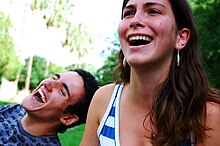
- Humour – the individual steps outside of a situation in order to gain greater perspective, and also to highlight any comic aspect to be found in their stressful circumstances.[92]
-
- “The Association for Applied and Therapeutic Humour defines therapeutic humour as ‘any intervention that promotes health and wellness by stimulating a playful discovery, expression or appreciation of the absurdity of or incongruity of life’s situations. This intervention may enhance health or be used as a complementary treatment of illness to facilitate healing or coping whether physical, emotional, cognitive, or spiritual”.[94]
-
- Sigmund Freud, a well known neurologist, suggests the humour was an excellent defensive strategy in emotional situations.[90] When one laughs during a tough situation they feel absent from their worries, and this allows them to think differently.[94] When one experiences a different mind set, they feel more in control of their response, and how they would go about dealing with the event that caused stress.
-
- Lefcourt (2001) suggests that this perspective-taking humour is the most effective due to its ability to distance oneself from the situation of great stress.[95] Studies show that the use of laughter and humour creates a sense of relief of stress that can last up to 45 minutes post-laughter.[94]
-
- Also, most hospitalized children have been seen to use laughter and play to relieve their fear, pain and stress. It has been discovered that there is a great importance in the use of laughter and humour in stress coping.[94] Humans should use humour as a means to transcend their original understanding of an external event, take a different perspective, in which their anxiety may be minimized by.
- Sublimation – allows an «indirect resolution of conflict with neither adverse consequences nor consequences marked by loss of pleasure.»[96] Essentially, this mechanism allows channeling of troubling emotions or impulses into an outlet that is socially acceptable.
- Positive reappraisal – redirects thoughts (cognitive energy) to good things that are either occurring or have not occurred. This can lead to personal growth, self-reflection, and awareness of the power/benefits of one’s efforts.[97] For example, studies on veterans of war or peacekeeping operations indicate that persons who construe a positive meaning from their combat or threat experiences tend to adjust better than those who do not.[98]
The final path model fitted well (CF1 = 1, RMSEA = 0.00) and showed that direct quality of life paths with β = -0.2, and indirect social support with β = -0.088 had the most effects on reduction of stress during pregnancy.[non sequitur]
Other adaptive coping mechanisms include anticipation, altruism, and self-observation.
Mental inhibition/disavowal mechanisms[edit]
These mechanisms cause the individual to have a diminished (or in some cases non-existent) awareness about their anxiety, threatening ideas, fears, etc., that come from being conscious of the perceived threat.
- Displacement – This is when an individual redirects their emotional feelings about one situation to another, less threatening one.[99]
- Repression – Repression occurs when an individual attempts to remove all their thoughts, feelings, and anything related to the upsetting/stressful (perceived) threat out of their awareness in order to be disconnected from the entire situation. When done long enough in a successful way, this is more than just denial.
- Reaction formation – An attempt to remove any “unacceptable thoughts” from one’s consciousness by replacing them with the exact opposite.[100]
Other inhibition coping mechanisms include undoing, dissociation, denial, projection, and rationalization. Although some people claim that inhibition coping mechanisms may eventually increase the stress level because the problem is not solved, detaching from the stressor can sometimes help people to temporarily release the stress and become more prepared to deal with problems later on.
Active mechanisms[edit]
These methods deal with stress by an individual literally taking action, or withdrawing.
- Acting out – Often viewed as counter-normative, or problematic behavior. Instead of reflecting or problem-solving, an individual takes maladaptive action.[93]
- Passive aggression – When an individual indirectly deals with their anxiety and negative thoughts/feelings stemming from their stress by acting in a hostile or resentful manner towards others. Help-Rejecting Complaining can also be included in this category.
Health promotion[edit]
There is an alternative method to coping with stress, in which one works to minimize their anxiety and stress in a preventative manner.
Suggested strategies to improve stress management include:[101]
- Regular exercise – set up a fitness program, 3–4 times a week
- Support systems – to listen, offer advice, and support each other
- Time management – develop an organizational system
- Guided imagery and visualization – create a relaxing state of mind
- Progressive muscle relaxation – loosen tense muscle groups
- Assertiveness training – work on effective communication
- Journal writing – express true emotion, self-reflection
- Stress management in the workplace – organize a new system, switch tasks to reduce own stress.
Depending on the situation, all of these coping mechanisms may be adaptive, or maladaptive.
History[edit]
Prior to the introduction of the concept «stress» in the psychological sense c. 1955,[102][103] people already identified a range of more nuanced ideas to describe and confront such emotions as worry, grief, concern,[104] obsession, fear, annoyance, anxiety, distress, suffering and passion.[105]«Stress» has subsequently become a mainstay of pop psychology.[106][107] Though stress is discussed throughout history from many distinct topics and cultures, there is no universal consensus over describing stress.[108] This has led to multiple kinds of research, looking at the different aspects of psychological stress and how it changes over a lifespan.[108]
See also[edit]
- Acute stress reaction
- Adaptive performance
- Chronic stress
- Cognitive behavioral therapy
- Cognitive dissonance
- Complex post-traumatic stress disorder
- Conservation of resources theory, stress theory
- Henry Murray extreme stress experiments at Harvard 1960s
- Incident stress
- Invisible support
- Maladaptation
- Mental breakdown
- Mindfulness-based stress reduction
- Occupational stress
- Occupational burnout
- Posttraumatic stress disorder
- Psychological trauma
- Psychoneuroimmunology
- Stress (biological)
- What does not kill me makes me stronger
References[edit]
- ^ «Stress». Mental Health America. 2013-11-18. Retrieved 2018-10-01.
- ^ Sapolsky RM (2004). Why Zebras Don’t Get Ulcers. New York: St. Martins Press. pp. 37, 71, 92, 271. ISBN 978-0-8050-7369-0.
- ^ Jones F, Bright J, Clow A (2001). Stress: myth, theory, and research. Pearson Education. p. 4. ISBN 9780130411891.
- ^ Selye H (1974). Stress without distress. Philadelphia: J.B. Lippincott Company. p. 171. ISBN 9780397010264.
- ^ a b c Selye H (1983). «The Stress Concept: Past, Present and Future». In Cooper CL (ed.). Stress Research Issues for the Eighties. New York, NY: John Wiley & Sons. pp. 1–20. ISBN 9780471102465.
- ^ a b Selye H (October 1975). «Implications of stress concept». New York State Journal of Medicine. 75 (12): 2139–2145. PMID 1059917.
- ^ a b Fevre ML, Kolt GS, Matheny J (1 January 2006). «Eustress, distress and their interpretation in primary and secondary occupational stress management interventions: which way first?». Journal of Managerial Psychology. 21 (6): 547–565. doi:10.1108/02683940610684391.
- ^ Hargrove MB, Nelson DL, Cooper CL (2013). «Generating eustress by challenging employees: Helping people savor their work». Organizational Dynamics. 42: 61–69. doi:10.1016/j.orgdyn.2012.12.008.
- ^ «stressor». Collins English Dictionary – Complete & Unabridged 11th Edition. Retrieved September 20, 2012, from CollinsDictionary.com. Archived from the original on June 20, 2012.
- ^ a b c d e f g h i j k l Pastorino, E. & Doyle-Portillo, S. (2009). What is Psychology?. 2nd Ed. Belmont, CA: Thompson Higher Education.
- ^ Ursin H (1988). «Expectancy and activation: An attempt to systematize stress theory». In Hellhammer DH, Florin I, Weiner H (eds.). Neuronal Control of Bodily Function: Basic and Clinical Aspects, Vol. 2: Neurobiological Approaches to Human Disease. Kirkland, WA: Huber. pp. 313–334.
- ^ van Kampen HS (February 2019). «The principle of consistency and the cause and function of behaviour». Behavioural Processes. 159: 42–54. doi:10.1016/j.beproc.2018.12.013. PMID 30562561. S2CID 56478466.
- ^ Headquarters, Department of the Army (1994). Leader’s Manual for Combat Stress Control, FM 22–51, Washington DC.
- ^ Teo LY, Fam JY (2018). «Prevalence and determinants of perceived stress among undergraduate students in a Malaysian University». Journal of Health and Translational Medicine. 21 (1): 1–5.
- ^ Cohen S, Frank E, Doyle WJ, Skoner DP, Rabin BS, Gwaltney JM (May 1998). «Types of stressors that increase susceptibility to the common cold in healthy adults». Health Psychology. 17 (3): 214–223. doi:10.1037/0278-6133.17.3.214. PMID 9619470. S2CID 15175643.
- ^ a b c d Jeronimus BF, Riese H, Sanderman R, Ormel J (October 2014). «Mutual reinforcement between neuroticism and life experiences: a five-wave, 16-year study to test reciprocal causation». Journal of Personality and Social Psychology. 107 (4): 751–764. doi:10.1037/a0037009. PMID 25111305.
- ^ a b Jeronimus BF, Ormel J, Aleman A, Penninx BW, Riese H (November 2013). «Negative and positive life events are associated with small but lasting change in neuroticism». Psychological Medicine. 43 (11): 2403–2415. doi:10.1017/S0033291713000159. PMID 23410535. S2CID 43717734.
- ^ Aldwin CM, Jeong YJ, Igarashi H, Choun S, Spiro A (November 2014). «Do hassles mediate between life events and mortality in older men? Longitudinal findings from the VA Normative Aging Study». Experimental Gerontology. 59: 74–80. doi:10.1016/j.exger.2014.06.019. PMC 4253863. PMID 24995936.
- ^ «CWT rolls out solution to tackle cost of travel stress». TTGmice. 2013-04-25. Retrieved 31 Jan 2019.
- ^ a b Campbell JM (2016). «Ambient Stressors». Environment and Behavior. 15 (3): 355–80. doi:10.1177/0013916583153005. S2CID 220442210.
- ^ Headquarters, Department of the Army (2006). Combat and Operational Stress Control, FM 4-02.51, Washington, DC, p. 9
- ^ Whicker, Marcia Lynn. Toxic leaders: When organizations go bad. Westport, CT. Quorum Books. 1996.[page needed]
- ^ a b Holmes TH, Rahe RH (August 1967). «The Social Readjustment Rating Scale». Journal of Psychosomatic Research. 11 (2): 213–218. doi:10.1016/0022-3999(67)90010-4. PMID 6059863.
- ^ Riese H, Snieder H, Jeronimus BF, Korhonen T, Rose RJ, Kaprio J, Ormel J (2014). «Timing of Stressful Life Events Affects Stability and Change of Neuroticism». European Journal of Personality. 28 (2): 193–200. doi:10.1002/per.1929. S2CID 142517975.
- ^ a b c Yang X, McCoy E, Anaya-Boig E, Avila-Palencia I, Brand C, Carrasco-Turigas G, et al. (November 2021). «The effects of traveling in different transport modes on galvanic skin response (GSR) as a measure of stress: An observational study». Environment International. 156: 106764. doi:10.1016/j.envint.2021.106764. PMID 34273874. S2CID 236035129.
- ^ Lundberg U (2010). «Neuroendocrine Measures». In Contrada R, Baum A (eds.). The Handbook of Stress Science: Biology, Psychology, and Health. New York: Springer Publishing Company. p. 531. ISBN 9780826117717. Retrieved 30 November 2020.
[…] epinephrine, norepinephrine, and cortisol are considered the most important ‘stress hormones,’ although a number of other hormones are also influenced by stress […].
- ^ Krantz DS, Falconer JF (1997). «Measurement of cardiovascular responses». In Cohen S, Kessler RC, Underwood Gordon L (eds.). Measuring Stress: A Guide for Health and Social Scientists. A project of the Fetzer Institute (revised ed.). New York: Oxford University Press. pp. 193–212. ISBN 9780195121209. Retrieved 30 November 2020.
- ^ Kiecolt-Glaser J, Glaser R (1997). «Measurement of immune response». In Cohen S, Kessler RC, Underwood Gordon L (eds.). Measuring Stress: A Guide for Health and Social Scientists. A project of the Fetzer Institute (revised ed.). New York: Oxford University Press. pp. 213–230. ISBN 9780195121209. Retrieved 30 November 2020.
- ^ Dahlin M, Joneborg N, Runeson B (June 2005). «Stress and depression among medical students: a cross-sectional study». Medical Education. 39 (6): 594–604. doi:10.1111/j.1365-2929.2005.02176.x. PMID 15910436. S2CID 9575988.
- ^ Shim EJ, Jeon HJ, Kim H, Lee KM, Jung D, Noh HL, et al. (November 2016). «Measuring stress in medical education: validation of the Korean version of the higher education stress inventory with medical students». BMC Medical Education. 16 (1): 302. doi:10.1186/s12909-016-0824-9. PMC 5121937. PMID 27881178.
- ^ Klimmer F, Rutenfranz J, Rohmert W (1979). «[Investigations on physiological and biochemical indicators for differentiation of mental and emotional strain in psychical efforts (author’s transl)]». International Archives of Occupational and Environmental Health (in German). 44 (3): 149–63. doi:10.1007/BF00381130. PMID 42620. S2CID 116086089.
- ^ Gopher D, Donchin E (1986). «Workload: An examination of the concept». In Boff KR, Kaufman L, Thomas JP (eds.). Handbook of perception and human performance. Volume II — Cognitive Process and Performance. New York: John Wiley and Sons (A Wiley-Interscience publication). pp. 1–49.
- ^ Boucsein W (1988). Elektrodermale Aktivität. Grundlagen, Methoden und Anwendungen. Berlin, Heidelberg: Springer. doi:10.1007/978-3-662-06968-4. ISBN 978-3-662-06969-1.
- ^ Böckelmann I, Seibt R (September 2011). «Methoden zur Indikation vorwiegend psychischer Berufsbelastung und Beanspruchung — Möglichkeiten für die betriebliche Praxis». Zeitschrift für Arbeitswissenschaft. 65 (3): 205–222. doi:10.1007/BF03373839. S2CID 151916813.
- ^ Chen F, Zhou J, Wang Y, Yu K, Arshad SZ, Khawaji A, Conway D (2016). Robust multimodal cognitive load measurement. Human-computer interaction series. Cham: Springer. doi:10.1007/978-3-319-31700-7. ISBN 978-3-319-31698-7. S2CID 6183315.
- ^ Rau R, Richter P (1995). «24-Stunden-Monitoring zur Prüfung der Reaktivität psychophysiologischer Parameter in Belastungs- und Erholungsphasen. Speichelparameter und kardiovaskuläre Parameter in Feld- und Experimentaluntersuchungen». Schriftenreihe der Bundesanstalt für Arbeitsschutz und Arbeitsmedizin. Bremerhaven: Wirtschaftsverlag NW. FB 12.001.
- ^ Ribback S (2005). Psychophysiologische Untersuchung mentaler Beanspruchung in simulierten Mensch-Maschine-Interaktionen (Ph.D. thesis). Universität Potsdam.
- ^ Schlick C, Bruder R, Luczak H (2018). Arbeitswissenschaft. 4. Aufl. Berlin, Heidelberg: Springer. doi:10.1007/978-3-662-56037-2. ISBN 978-3-662-56036-5.
- ^ Stanton NA, Hedge A, Brookhuis K, Salas E, Hendrick HW (2005). Stanton NA, Hedge A, Brookhuis K, Salas E, Hendrick HW (eds.). Handbook of human factors and ergonomics methods. Boca Raton: CRC Press. doi:10.1201/9780203489925. ISBN 9780429205712.
- ^ a b Galley N (1993). «Augenbewegungen, Antizipation und Leistung: Auf dem Wege zu einem neuropsychologischen Konzentrationsmodell». In Beckmann J, Strang H, Hahn E (eds.). Aufmerksamkeit und Energetisierung. Facetten von Konzentration und Leistung. Göttingen, Bern, Toronto, Seattle: Hogrefe Verl. für Psychologie. pp. 229–245. ISBN 9783801704216.
- ^ Biswas P, Dutt V, Langdon P (January 2016). «Comparing ocular parameters for cognitive load measurement in eye-gaze-controlled interfaces for automotive and desktop computing environments». International Journal of Human-Computer Interaction. 32 (1): 23–38. doi:10.1080/10447318.2015.1084112. S2CID 1770764.
- ^ Schneider M (2019). Blickbasierte Beanspruchungsmessung : Entwicklung und Evaluation eines Kalibrierungssystems zur individuellen Bewertung der mentalen Beanspruchung in der Mensch-Technik-Interaktion (Ph.D. thesis). ISBN 978-3731508090.
- ^ Brunn WV, Falk R, Matthes K (January 1941). «Untersuchungen über die Pupillenreflexe beim Menschen». Pflüger’s Archiv für die gesamte Physiologie des Menschen und der Tiere. 244 (5): 644–658. doi:10.1007/BF01756035. S2CID 12285684.
- ^ Kerkau F (2005). Biosignale der Pupille zur Steuerung intelligenter User Interfaces. Untersuchung von Pupillenbewegungen zur Realisierung einer biopsychologischen Computerschnittstelle für die Mensch-Computer-Interaktion. Dissertationsschrift (Thesis). Freie Universität Berlin, Berlin. Fachbereich Erziehungswissenschaft und Psychologie.
- ^ Beatty J, Lucero-Wagoner B (2000). «The pupillary system». In Cacioppo JT, Tassinary LG, Berntson GG (eds.). Handbook of psychophysiology. Cambridge University Press. pp. 142–162. ISBN 0-521-84471-1.
- ^ Chen S, Epps J (July 2014). «Using task-induced pupil diameter and blink rate to infer cognitive load». Human–Computer Interaction. 29 (4): 390–413. doi:10.1080/07370024.2014.892428. S2CID 13871681.
- ^ Ponder E, Kennedy WP (July 1927). «On the act of blinking». Quarterly Journal of Experimental Physiology. 18 (2): 89–110. doi:10.1113/expphysiol.1927.sp000433.
- ^ Stern JA, Walrath LC, Goldstein R (January 1984). «The endogenous eyeblink». Psychophysiology. 21 (1): 22–33. doi:10.1111/j.1469-8986.1984.tb02312.x. PMID 6701241.
- ^ Reßut N, Hoppe A (December 2020). «Erfassung von individuellem Beanspruchungserleben bei kognitiven Belastungssituationen mittels Mustererkennung im Lidschlagverhalten». Zeitschrift für Arbeitswissenschaft. 74 (4): 249–261. doi:10.1007/s41449-019-00165-y. S2CID 203468950.
- ^ Reßut N (2021). Das Lidschlagverhalten als Indikator psychischer Belastung. Wiesbaden: Springer Vieweg. doi:10.1007/978-3-658-36052-8. ISBN 978-3-658-36051-1. S2CID 245646463.
- ^ Gottlieb, Benjamin.»Coping with Chronic Stress». Plenum Press. 1997.
- ^ a b c Mitterer J, Coon D (2013). Introduction to Psychology. Jon-David Hague. pp. 446–447.
- ^ «HHS 231 – Extended Campus – Oregon State University». Archived from the original on 2012-10-10.
- ^ a b Cohen S, Murphy ML, Prather AA (January 2019). «Ten Surprising Facts About Stressful Life Events and Disease Risk». Annual Review of Psychology. 70: 577–597. doi:10.1146/annurev-psych-010418-102857. PMC 6996482. PMID 29949726.
the strongest conclusion derived from decades of research on stressors and cancer is that stressful events may be associated with decreased cancer survival but are probably not associated with disease incidence (Chida et al. 2008).
- ^ Heikkilä K, Nyberg ST, Theorell T, Fransson EI, Alfredsson L, Bjorner JB, et al. (February 2013). «Work stress and risk of cancer: meta-analysis of 5700 incident cancer events in 116,000 European men and women». BMJ. 346: f165. doi:10.1136/bmj.f165. PMC 3567204. PMID 23393080.
- ^ Shahab L, McGowan JA, Waller J, Smith SG (November 2018). «Prevalence of beliefs about actual and mythical causes of cancer and their association with socio-demographic and health-related characteristics: Findings from a cross-sectional survey in England». European Journal of Cancer. 103: 308–316. doi:10.1016/j.ejca.2018.03.029. PMC 6202672. PMID 29705530.
- ^
Folkman, S., 2013. Stress: appraisal and coping. In Encyclopedia of behavioral medicine (pp. 1913–1915). Springer New York. - ^ Schneiderman N, Ironson G, Siegel SD (2005). «Stress and health: psychological, behavioral, and biological determinants». Annual Review of Clinical Psychology. 1: 607–628. doi:10.1146/annurev.clinpsy.1.102803.144141. PMC 2568977. PMID 17716101.
Both epidemiological and controlled studies have demonstrated relationships between psychosocial stressors and disease. The underlying mediators, however, are unclear in most cases, although possible mechanisms have been explored in some experimental studies.
- ^ Herbert TB, Cohen S (1993). «Stress and immunity in humans: a meta-analytic review». Psychosomatic Medicine. 55 (4): 364–379. CiteSeerX 10.1.1.125.6544. doi:10.1097/00006842-199307000-00004. PMID 8416086. S2CID 2025176.
- ^ Ogden, J. (2007). Health Psychology: a textbook (4th ed.), pages 281–282 New York: McGraw-Hill ISBN 0335214711
- ^ Edmunds WJ, Medley GF, O’Callaghan CJ (October 1997). «Social ties and susceptibility to the common cold». JAMA. 278 (15): 1231, author reply 1232. doi:10.1001/jama.1997.03550150035018. PMID 9333253.
- ^ Compare: Greubel J, Kecklund G (March 2011). «The impact of organizational changes on work stress, sleep, recovery and health». Industrial Health. 49 (3): 353–364. doi:10.2486/indhealth.ms1211. PMID 21372437.
[…] organizational changes, which include a change in job tasks or downsizing, lead to a somewhat increased stress level as well as slightly increased health problems. This study added that complaints about poor sleep, sleepiness and incomplete recovery also increased in connection with extensive organizational changes. Another key finding was that this is even true for the anticipation of such changes
- ^ a b Schneiderman N, Ironson G, Siegel SD (2005). «Stress and health: psychological, behavioral, and biological determinants». Annual Review of Clinical Psychology. 1: 607–628. doi:10.1146/annurev.clinpsy.1.102803.144141. PMC 2568977. PMID 17716101.
- ^ Chen Y (December 2009). «Advances in the pathophysiology of tension-type headache: from stress to central sensitization». Current Pain and Headache Reports. 13 (6): 484–494. doi:10.1007/s11916-009-0078-x. PMID 19889292. S2CID 36447117.
- ^ Schlotz W, Yim IS, Zoccola PM, Jansen L, Schulz P (2011). «The perceived stress reactivity scale: Measurement invariance, stability, and validity in three countries». Psychol Assess. (pp. 80–94).
- ^ Pinquart M, Sörensen S (June 2003). «Differences between caregivers and noncaregivers in psychological health and physical health: a meta-analysis». Psychology and Aging. 18 (2): 250–267. doi:10.1037/0882-7974.18.2.250. PMID 12825775.
- ^ Huang CJ, Webb HE, Zourdos MC, Acevedo EO (November 2013). «Cardiovascular reactivity, stress, and physical activity». Frontiers in Physiology. 4: 314. doi:10.3389/fphys.2013.00314. PMC 3819592. PMID 24223557.
- ^ Kemeny ME (August 2003). «The Psychobiology of Stress». Current Directions in Psychological Science. 12 (4): 124–129. doi:10.1111/1467-8721.01246. S2CID 145293197.
- ^ Kobasa, S. C. (1982). «The Hardy Personality: Toward a Social Psychology of Stress and Health». In G. S. Sanders & J. Suls (Eds.), Social Psychology of Health and Illness (pp. 1–25). Hillsdale, NJ: Lawrence Erlbaum Assoc.
- ^ Kingston C, Schuurmans-Stekhoven J (December 2016). «Life hassles and delusional ideation: Scoping the potential role of cognitive and affective mediators». Psychology and Psychotherapy. 89 (4): 445–463. doi:10.1111/papt.12089. PMID 26846698.
- ^ Mah L, Szabuniewicz C, Fiocco AJ (January 2016). «Can anxiety damage the brain?». Current Opinion in Psychiatry (Review). 29 (1): 56–63. doi:10.1097/YCO.0000000000000223. PMID 26651008. S2CID 17911798.
Pathological anxiety and chronic stress lead to structural degeneration and impaired functioning of the hippocampus and the PFC, which may account for the increased risk of developing neuropsychiatric disorders, including depression and dementia.
- ^ Keller A, Litzelman K, Wisk LE, Maddox T, Cheng ER, Creswell PD, Witt WP (September 2012). «Does the perception that stress affects health matter? The association with health and mortality». Health Psychology. 31 (5): 677–684. doi:10.1037/a0026743. PMC 3374921. PMID 22201278.
High amounts of stress and the perception that stress impacts health are each associated with poor health and mental health. Individuals who perceived that stress affects their health and reported a large amount of stress had an increased risk of premature death.
- ^ a b «Stress as a positive: Recent research that suggests it has benefits». 4 September 2013. Archived from the original on 11 September 2016.
- ^ Cohen S, Janicki-Deverts D, Miller GE (October 2007). «Psychological stress and disease». JAMA. 298 (14): 1685–1687. doi:10.1001/jama.298.14.1685. PMID 17925521.
- ^ «Psychological Stress and Disease (HIV/AIDS)». www.natap.org. Retrieved 2018-10-01.
- ^
Miller G, Chen E, Cole SW (2009). «Health psychology: developing biologically plausible models linking the social world and physical health». Annual Review of Psychology. 60: 501–524. doi:10.1146/annurev.psych.60.110707.163551. PMID 19035829. - ^ a b c d e Craven R, Hirnle C, Jensen S (2013). Fundamentals of Nursing: Human and Health Function (7 ed.). Philadelphia: Lippincott Williams & Wilkins. p. 1319.
- ^ Morrison-Valfre M (2009). Foundations of mental health care (4th ed.). St. Louis, Mo.: Mosby/Elsevier. ISBN 978-0-323-05644-1.
- ^ «Stress in childhood: MedlinePlus Medical Encyclopedia». medlineplus.gov. Retrieved 2018-10-01.
- ^ Uchino BN (May 2009). «Understanding the Links Between Social Support and Physical Health: A Life-Span Perspective With Emphasis on the Separability of Perceived and Received Support». Perspectives on Psychological Science. 4 (3): 236–255. CiteSeerX 10.1.1.713.8624. doi:10.1111/j.1745-6924.2009.01122.x. PMID 26158961. S2CID 17551921.
- ^ Berkman LF, Glass T, Brissette I, Seeman TE (September 2000). «From social integration to health: Durkheim in the new millennium». Social Science & Medicine. 51 (6): 843–857. doi:10.1016/s0277-9536(00)00065-4. PMID 10972429.
- ^ Cohen S, Wills TA (September 1985). «Stress, social support, and the buffering hypothesis». Psychological Bulletin. 98 (2): 310–357. doi:10.1037/0033-2909.98.2.310. PMID 3901065. S2CID 18137066.
- ^ a b Cohen S (November 2004). «Social relationships and health». The American Psychologist. 59 (8): 676–684. doi:10.1037/0003-066x.59.8.676. PMID 15554821.
- ^ Orr ST (December 2004). «Social support and pregnancy outcome: a review of the literature». Clinical Obstetrics and Gynecology. 47 (4): 842–855. doi:10.1097/01.grf.0000141451.68933.9f. PMID 15596938.
- ^ Greenberg. Comprehensive Stress Management 10E. McGraw-Hill Education. pp. 261–. ISBN 978-0-07-067104-1. Archived from the original on 2017-02-18.
- ^ Robertson, D (2012). Build your Resilience. London: Hodder. ISBN 978-1-4441-6871-6.
- ^ Sutarto AP, Wahab MN, Zin NM (2015). «Resonant breathing biofeedback training for stress reduction among manufacturing operators». International Journal of Occupational Safety and Ergonomics. 18 (4): 549–561. doi:10.1080/10803548.2012.11076959. PMID 23294659.
- ^ a b c d «Exercise for Stress and Anxiety». Anxiety and Depression Association of America.
- ^ a b c Breus MJ, O’Connor PJ (July 1998). «Exercise-induced anxiolysis: a test of the «time out» hypothesis in high anxious females». Medicine and Science in Sports and Exercise. 30 (7): 1107–1112. doi:10.1097/00005768-199807000-00013. PMID 9662680.
- ^ a b c Snyder CR, Lefcourt HM (2001). Coping With Stress. New York: Oxford University. pp. 68–88.
- ^ Keller, Abiola; Litzelman, Kristin; Wisk, Lauren E.; Maddox, Torsheika; Cheng, Erika Rose; Creswell, Paul D.; Witt, Whitney P. (September 2012). «Does the perception that stress affects health matter? The association with health and mortality». Health Psychology. 31 (5): 677–684. doi:10.1037/a0026743. PMC 3374921. PMID 22201278.
- ^ a b Levo LM (September 2003). «Understanding Defense Mechanisms». Lukenotes. Silver Spring, Maryland: St. Luke Institute. 7 (4).
- ^ a b Adapted from DSM-IV Adaptive Functioning Scale, APA, 1994.
- ^ a b c d Riley J (2012). Communication in Nursing (7 ed.). Missouri: Mosby/Elsevier. pp. 160–173.
- ^ Lefcourt HM (2001). «The Humour Solution». In Snyder CR (ed.). Coping with Stress: Effective People and Processes. New York: Oxford University Press. pp. 68–92. ISBN 978-0198029953.
- ^ Vaillant GE (January 2000). «Adaptive mental mechanisms. Their role in a positive psychology». The American Psychologist. 55 (1): 89–98. doi:10.1037/0003-066x.55.1.89. PMID 11392869.
- ^ Folkman S, Moskowitz J (2000). «Stress, Positive Emotion, and Coping». Current Directions in Psychological Science. 9 (4): 115–118. doi:10.1111/1467-8721.00073. S2CID 1288773.
- ^ Schok ML, Kleber RJ, Elands M, Weerts JM (March 2008). «Meaning as a mission: a review of empirical studies on appraisals of war and peacekeeping experiences». Clinical Psychology Review (Review). 28 (3): 357–365. doi:10.1016/j.cpr.2007.04.005. PMID 17532104.
- ^ «displacement n.» A Dictionary of Psychology. Edited by Andrew M. Colman. Oxford University Press 2009. Oxford Reference Online. Oxford University Press.
- ^ Baumeister RF, Dale K, Sommer KL (December 1998). «Freudian defense mechanisms and empirical findings in modern social psychology: Reaction formation, projection, displacement, undoing, isolation, sublimation, and denial» (PDF). Journal of Personality. 66 (6): 1081–124. doi:10.1111/1467-6494.00043.
- ^ Potter P (2014). Canadian Fundamentals of Nursing (5th ed.). Toronto: Elsevier. pp. 472–488.
- ^ «stress». Oxford English Dictionary (2nd ed.). Oxford University Press. 1989. — «1955 H. Basowitz et al. Anxiety & Stress i. 7 Anxiety has been defined in terms of an affective response; stress is the stimulus condition likely to arouse such response.»
- ^ Harper D. «stress». Online Etymology Dictionary. Retrieved 2019-04-19. — «stress (n.) […] The purely psychological sense is attested from 1955.»
- ^ Linn MW (1986). «Elderly Women’s Health and Psychological Adjustment: Life Stressors and Social Support». In Hobfoll SE (ed.). Stress, Social Support, And Women. Clinical and Community Psychology. Abingdon: Taylor & Francis (published 2014). p. 233. ISBN 9781317770602. Retrieved 20 July 2020.
Although the SRRS identified women with high and low stress, it also appeared limited in covering certain areas of stress currently felt by these women. For example, worry and concern about events that have not happened, or in some cases did happen but were not included on the scale, were common.
- ^
Once widely recognised, passion appears to wane in importance as the concept of «stress» becomes popular. See a usage Ngram for the two terms. - ^
For example: Carr A (2012). Clinical Psychology: An Introduction. London: Routledge. p. 22. ISBN 9780415683975. Retrieved 2019-04-19.This stress-induced focus on the self is compounded by exposure to ‘pop-psychology’ advice to use selffocused stress management techniques during interviews.
- ^ Cohen LJ (2011). «Mental Health and Mental Illness». The Handy Psychology Answer Book. The Handy Answer Book Series. Detroit: Visible Ink Press. p. 401. ISBN 9781578593545. Retrieved 2019-04-19.
Popular or pop psychology is aimed at a popular audience and communicated through the mass media. It addresses topics related to psychology—such as romantic relationships, stress management, child rearing, and sexuality […]
- ^ a b Monroe SM (2008). «Modern approaches to conceptualizing and measuring human life stress». Annual Review of Clinical Psychology. 4 (1): 33–52. doi:10.1146/annurev.clinpsy.4.022007.141207. PMID 17716038.
Further reading[edit]
- Kelly McGonigal (2015). The Upside of Stress: Why Stress Is Good for You, and How to Get Good at It. Avery. ISBN 978-1583335611.
- Ian Robertson (2017). The Stress Test: How Pressure Can Make You Stronger and Sharper. Bloomsbury USA. ISBN 978-1632867292.
External links[edit]
- «Manage Stress — healthfinder.gov». healthfinder.gov. Retrieved 2019-07-22.
стресс
- стресс
-
- стресс
-
перенапряжение, напряжение
Словарь русских синонимов.
- стресс
-
сущ.
, кол-во синонимов: 4
Словарь синонимов ASIS.
.
2013.
.
Синонимы:
Смотреть что такое «стресс» в других словарях:
-
стресс — стресс, а [рэ] … Русское словесное ударение
-
стресс — стресс, а … Русский орфографический словарь
-
стресс — стресс/ … Морфемно-орфографический словарь
-
Стресс — (от англ. stress давление, нажим, напор; гнёт; нагрузка; напряжение) неспецифическая (общая) реакция организма на воздействие (физическое или психологическое), нарушающее его гомеостаз, а также соответствующее состояние нервной… … Википедия
-
стресс — Состояние человека, характеризующееся неспецифическими защитными реакциями (на физическом, психологическом и поведенческом уровне) в ответ на экстремальные патогенные раздражители (смотри Адаптационный синдром). Реакция психики на… … Большая психологическая энциклопедия
-
СТРЕСС — (стресс реакция) (англ. stress напряжение) особое состояние организма человека и млекопитающих, возникающее в ответ на сильный внешний раздражитель. В русском языке термин стресс употребляется также для обозначения и самого раздражителя… … Большой Энциклопедический словарь
-
стресс — а; м. [от англ. stress напряжение] Состояние напряжения организма человека или животного как защитная реакция на различные неблагоприятные факторы (холод, голодание, физические и психические травмы и т.п.). ◁ Стрессовый, ая, ое. С ое состояние. С … Энциклопедический словарь
-
СТРЕСС — в психологии и биологии любое напряжение или препятствие функционированию организма. Человек реагирует на физический или психологический стресс сочетанием физических и психологических защитных механизмов. Если стресс слишком силен или защитные… … Философская энциклопедия
-
стресс- — СТРЕССО… [от англ. stress напряжение] Первая часть сложных слов. Обозначает: связанный с нервными перегрузками, стрессом. Стресс клиника, стрессотерапия, стресс реакция, стресс фактор … Энциклопедический словарь
-
СТРЕСС — [англ. stress напряжение, давление] физиол. состояние напряжения организма под действием неблагоприятных причин (холода, голода, психических и физических травм и т.д.). Словарь иностранных слов. Комлев Н.Г., 2006. стресс (англ. stress напряжение) … Словарь иностранных слов русского языка
В статье мы расскажем:
- Понятие стресса
- Психологические теории стресса
- Виды стрессовых состояний
- Психологические причины стресса
- Стадии (фазы) стресса
- Психодиагностика стресса/Симптомы стресса
- Способы мягкой коррекции стрессового состояния
- Профилактика стрессовых состояний
Психология стресса – почему важно знать о ней как можно больше? Все просто. Темп жизни в последнее время становится все выше, нагрузки – как физические, так и психологические – постоянно растут. Неудивительно, что находиться в перманентном состоянии стресса стало для многих людей едва ли не нормой.
Понятие стресса
Стресс – это неспецифический ответ организма на любое изменение условий, требующее приспособления. Простыми словами – какие-то изменения внешней среды требуют от нас адаптации. На улице похолодало, потеплело, мы переехали в другой климат, встретились с другими людьми – все это требует от нас физических и психических усилий. В целом это явление можно описать как стресс. Если происходит адаптация — значит, есть стресс.
Понятие стресса переводится как нагрузка, напряжение, давление, состояние повышенной напряженности, и это так. Но не любое состояние напряженности является стрессом. Только тогда, когда нужно включить резервы организма для адаптации.

Стресс – это наш внутренний механизм адаптации организма и способ его выживания.
Если человек наступил на стекло пяткой, у него в организме начнется стрессовый ответ. То есть стресс – это сам механизм адаптации. Организм начинает производить какие-то изменения, для того чтобы адаптироваться к этой ситуации. Он замечает, что в пятке стекло, сгущает кровь, чтобы она стала сворачиваться и не допустить кровопотери.
Но если система реакций на стресс и попытки к нему адаптироваться остаются включенными слишком долго, это приводит к заболеваниям.
Стресс – это все, что нарушает наш гомеостатический баланс. Гомеостаз – система саморегуляции организма, которая позволяет поддерживать постоянство внутри наших систем. Обычно здесь мы говорим о поддержании температуры тела, уровня глюкозы в крови, примерно одинакового кровяного давления и разных других процессов внутри организма.
Когда стресс каким-то образом нарушает наш баланс, организм с помощью нейромедиаторов, гормонов, а также нервной системы пытается адаптироваться к этому и восстановить баланс обратно.
Если в случае с животными стресс – это только уже существующие в данный момент времени нарушение гомеостатического баланса, т.е. это фактор, который воздействует прямо сейчас, то с человеком все сложнее. Когда дикая собака Динго хватает тушканчика за хребет, то это является для него стрессовым фактором. В случае с человеком все иначе, это может быть ещё и мысль о том, что гомеостатический баланс может быть нарушен, то есть это не сам стресс, не сам стрессовый фактор, а мысли о том, что может произойти.
Психологические теории стресса
Впервые в 1915 году американский психофизиолог Уолтер Брэдфорд Кеннон заговорил о состоянии, которое сейчас ассоциируется с понятием стресса, и назвал эту реакцию «бей или беги» («fight or flight»). И даже описал данное явление в книге «Телесные изменения при боли, голоде, страхе и гневе». Можно считать началом европейского, американского подхода к этой теме 1915 год.
Однако наши соотечественники оказались в этой же теме в эти же годы, и в военно-медицинской академии в Санкт-Петербурге профессор Коренчевский в 1913 году уже описывал адаптационный синдром и говорил о том, что он является не патологической, а физиологической реакцией на повреждения клеток, тканей, повреждения какой-то внешней среды.
Австрийский врач Ганс Селье закончил Пражский медицинский университет. Перебравшись в Канаду, он изучал воздействие секретов гормональных желёз, которые он получал путём размельчения выделенных у животных органов и вводил мышам (тогда ещё не гормонов, потому что их в чистом виде не выделяли).
Он заметил очень интересную вещь: какой бы он ни вводил экстракт гормонов мышам, реакция была очень похожая. Есть легенда о том, что однажды он совершил какую-то технологическую оплошность и забыл отвязать своих подопытных мышей, оставил их на ночь.
И те мыши, которым накануне вкалывали вещества и те, которым не проводили инъекции, выдали одинаковую реакцию в виде изъязвления слизистой оболочки желудка. На следующий день часть подопытных даже погибла. И вот тогда он впервые заговорил об общем адаптационном синдроме. Собственно, это стало началом истории стресса.
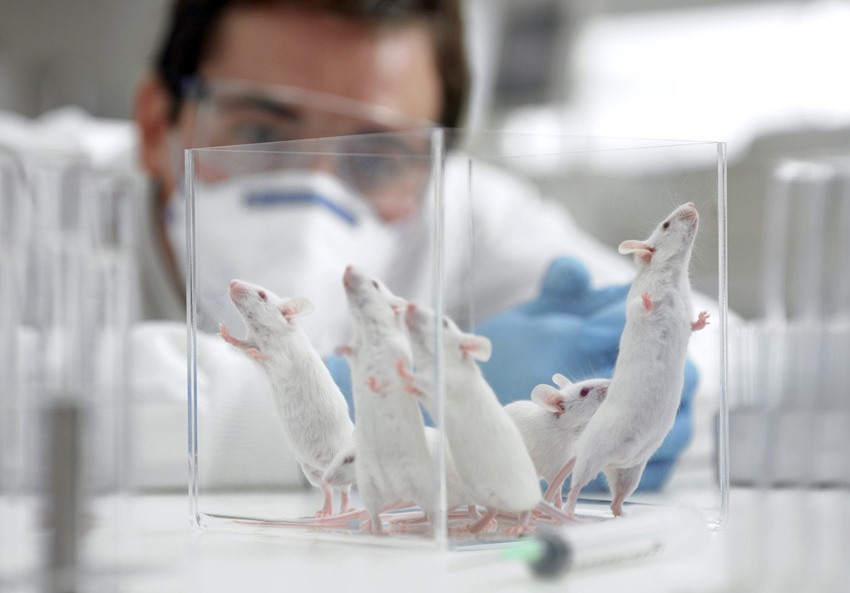
Селье сделал очень интересные выводы, что на самом деле имеет значение только интенсивность потребности в перестройке или адаптации. И практически не имеет значения сам раздражитель и те изменения, которые привели к формированию этого адаптационного синдрома. Второй вывод, который сделал Селье – это то, что адаптационная энергия имеется в ограниченном количестве, заданном от рождения.
Позже американский исследователь Голдстоун в 1952 году вступил в полемику с Селье и начал говорить о том, что адаптационная энергия может производиться независимо от того, сколько ее было дано организму при рождении. Она, конечно, снижается к старости, но может сохраняться в форме адаптационного капитала.
Постепенно эта тема стала развиваться из понятия организменного и клеточного, с чего начинал Селье, в понятие социальное. Из одного эксперимента на мышах развились целые направления в биологии, медицине, социологии и даже политике, связанные с темой стресса.
4 вида стрессовых состояний
Обычно в классических учебниках говорят о трех видах стресса, но иногда отдельно выделяют еще и биологические стрессоры.
-
Психологические
Мы постоянно находимся в психолого-социологических факторах стресса, особенно люди, проживающие в мегаполисах. Психологические стресс – это информационные перегрузки, которые сейчас повсеместно у детей с самого раннего возраста, соревнования, угрозы социального статуса, угрозы самооценки и так далее.
-
Физиологические
Древние понятные механизмы, на которые направлена наша защита – это физиологические стрессоры. Это чрезмерная боль, сильный шум, воздействие экстремальных условий, температур, нагрузок. Нагрузки, кстати, физические – это как раз таки условия постоянного стресса для спортсменов.
-
Химический стрессор
Это прием лекарственных препаратов, кофе, алкоголь, курение, наркотики, экология, отравления тяжелыми металлами.
-
Биологический стрессор
Это бактерии, вирусы, патогены. Постоянное воздействие какого-то медленного, скрытого воспаления, связанного с патогенным объектом в нашей системе, будь то кишечники или лор-органы – это постоянные медленные стрессоры, которые наносят чрезвычайный урон организму.
Психологические причины стресса
У стресса может быть целый ряд причин: биологические, химические, физические и, конечно, психологические. С последними дела обстоят непросто. Психологические причины стресса настолько разнообразны, что перечислить их все просто не представляется возможным. Каждый человек уникален: его образ мыслей, привычные модели поведения дают в совокупности неповторимую картину личности и набор вероятных реакций на стрессовые ситуации. Таких реакций масса.
Стресс провоцируют внутренние и внешние проблемы. Внешние – это разнообразные жизненные ситуации, которые человек имеет возможность контролировать. Это могут быть материальные трудности, переезд, сложности на работе или в личной жизни и т.п. Внутренние причины стресса зарождаются в недрах человеческого разума и зачастую не имеют ничего общего с реальностью, человек сам их придумывает. Это может быть связано с постоянной хандрой, пессимистичным настроем, нереализованными желаниями, отсутствием любви к себе, самоуважения, неприятием себя.
В психологии выделяется восемь причин стресса, которые являются наиболее значимыми для человека и сильнее всего влияют на него.
-
Смерть. Когда уходит близкий человек, мало кто может сохранить присутствие духа и продолжить жить нормальной жизнью. Это сильнейшая по силе воздействия психологическая причина стресса. Ожидание смерти (к примеру, больного родственника) также является причиной мощнейшего эмоционального напряжения.
-
Финансы. Для огромного количества людей материальные сложности являются главной причиной стресса.
-
Отсутствие самовыражения. Большинство людей стремится выразить собственное «я», однако далеко не всем это под силу.
-
Отсутствие контроля над ситуацией. Это может касаться как собственной жизни, так и жизни близких людей. Невозможность все контролировать давит на некоторых людей и ввергает их в состояние стресса.
-
Болезни и отсутствие безопасности. Страх заболеть, испытывать боль, страх смерти – все это ведет к потере душевного спокойствия, человек перестает чувствовать себя в безопасности.
-
Работа. Для огромного количества людей работа – это мощный источник стресса. Непростые обязанности, давление руководства, сложные клиенты – все это держит в напряжении, заставляет постоянно думать, анализировать, строить планы.
-
Друзья и близкие. Общение с любимыми людьми, родственниками, приятелями всегда эмоционально окрашено, а значит, способно спровоцировать стрессовые ситуации.
-
Семья. Если в отношениях с родными не все гладко, человек вряд ли будет чувствовать себя комфортно.
Отправной точкой стресса может послужить любое событие. Как женщины, так и мужчины могут стать заложниками своих психологических трудностей. Важно помнить, что первичной задачей в ситуации постоянного эмоционального напряжения является выяснение причины дискомфортного состояния. Устранив ее или взглянув на ситуацию под другим углом, человек начинает чувствовать себя гораздо лучше. Без этого жизнь может превратиться в постоянную борьбу с ветряными мельницами.
3 стадии (фазы) стресса
-
Стадия тревоги
Она развивается через шесть часов после воздействия стрессора и длится 24-48 часов, то есть до двух суток. Характеризуется двумя фазами: фаза шока и фаза противошока. При значительной силе стрессора и тревоги это может закончиться гибелью для организма.
Фаза шока характеризуется шоковыми изменениями: гипонатриемия, гипотензия, увеличение проницаемости мембран, сгущается кровь, лейкоцитоз, отрицательный азотистый баланс, то есть проявление катаболических процессов, процессов разрушения тканей, гипогликемия, гипотония мышц и так далее. Все это происходит на фоне активации продукции глюкокортикоидов, минералокортикоидов и катехоламинов – наших внутренних биогенных аминов.
Фаза противошока характеризуется контрошоковыми изменениями, чтобы сгладить все это. То есть происходит состояние наоборот: гипернатриемия, гипертензия, активация симпатической нервной системы, симпатико-адриналовой нервной системы и то, чего больше всего боятся все нутрициологи – активация гипоталамо-гипофизарно-надпочечниковой оси и все, что из этого следует. В эту фазу, наряду с двигательными реакциями, активизируются вспомогательные, висцеральные служебные системы дыхания, которые активируются через центральную нервную систему.
-
Стадия резистентности или адаптация организма
Тут можно условно выделить два этапа. На переходном этапе снижается общая возбудимость центральной нервной системы, формируется функциональная система управления адаптацией в новых условиях, то есть все наше тело начинает приспосабливаться к этим чрезвычайным факторам. Снижается интенсивность гормональных сдвигов, усиливают свое действие гормоны коры надпочечников – именно они отвечают за адаптацию. Приспособительные реакции организма постепенно переключаются на совсем глубокий, тканевый уровень, и повышается неспецифическая резистентность организма к вредным воздействиям.
Второй этап – резистентности. Характеризуется некоторой нормализацией деятельности желез внутренней секреции, тимико-лимфатической системы. Организм должен приспособиться, ведь он не может постоянно жить в режиме «аларм». На уровне обратной связи выключаются некоторые моменты, и, скажем так, организм перестает так активно реагировать на стрессоры.
Основные особенности этой стадии – это мобилизация энергоресурсов и иммунной системы организма, повышение синтеза структурных и ферментативных белков.
-
Стадия истощения
Это стадия, до которой ни в коем случае человек не должен дойти. Здесь происходит реакция всех эндокринных желез, она снова близка к реакциям первой стадии: глюкокортикоиды преобладают над минералокортикоидами, снижается функция щитовидной железы, половых желез, угнетается тимико-лимфатическая система, система соединительной ткани, иммунитет – то есть, это реально приводит к полному разрушению организма.
На самом деле наступление стадии истощения – это не единственный исход стресса. В том случае, если стрессовое воздействие умеренно по силе и длительности, стадия резистентности может длиться очень долго. Организм адаптирован к новым факторам, он вполне жизнеспособен.
Что это значит? Организм кое-как живет. Мы понимаем, что уже нарушена гипоталамо-гипофизарная ось, продукция гормона щитовидной железы, половых гормонов, но мы живем, если это можно так назвать, либо существуем в не очень хорошем состоянии.
На этом фоне возможно действие дополнительного стрессора и дальнейшее повышение резистентности. Что это значит? На фоне разрушающихся систем, когда уже подключаются эндокринные разрушающие механизмы, может сформироваться и диабет, возникнуть серьезные проблемы с щитовидной железой, и это будет нарастать как снежный ком. Поэтому ни в коем случае нельзя допускать такого воздействия на организм.
Симптомы стресса
Как оценивать состояние человека, когда уже наступила дезадаптация, и когда нужно уже начинать волноваться и давать какие-то рекомендации? Важно понимать – наступил стресс или еще нет. Поговорим о способах диагностики.
-
По внешнему виду
У человека имеется отечность, слезотечение, глаза немного выпученные, он может быть потливым, у него может быть испарина на лице, он может быть истощенным или иметь избыточный вес при так называемом хроническом дистрессе. Наличие этих критериев может свидетельствовать о том, что человек находится в первой фазе стресса.
-
По соматическим жалобам
Человек жалуется на свое самочувствие. Он может сказать о повышенном артериальном давлении, которое повысилась внезапно после какого-то события или переживания. Он может пожаловаться на внезапно возникшее учащенное сердцебиение, одышку, запоры, ощущение вздутия живота, боль посередине под ребрами либо резкое повышение аппетита, ощущение ненасытности – «вот, не могу наесться, ем, ем, а ощущение, что не наедаюсь».
Признаками стресса также могут быть частые респираторные вирусные инфекции, позывы на мочеиспускание, эпизоды недержания мочи, которые вдруг стали случаться после событий или переживаний, снижение эректильной функции у мужчин или полового влечения у женщин, боли в мышцах и суставах.
-
По поведению
По поведению мы заметим некоторое стремление уменьшить площадь опоры, площадь контакта – это проявление посттравматического стрессового расстройства.
«Ты-высказывание» очень характерно для человека, который находится в ситуации стресса и физическая травматизация – тоже.
-
Семейный анамнез
В семейной системе у человека, который обратился за помощью, могут выясниться наличие суицидентов – людей, которые покончили жизнь самоубийством. Возможно, человек скажет, что его не кормили грудью вообще или мама его отказалась рано от грудного вскармливания. Это фактор семейного анамнеза, который приводит человека к склонности реагировать дистрессами на внешние обстоятельства. Это недоношенность – чем более глубокая недоношенность у человека в анамнезе, тем более он склонен к дистрессовым реакциям.
Признаком стресса может быть наличие дисфункциональной семьи, в которой практикуется насилие, алкоголики и наркоманы, люди, находившиеся в местах лишения свободы. Это панические расстройства у клиента или у членов его семьи.
-
Предрасполагающие качества личности
Это гиперответственность, педантизм, так называемый перфекционизм – желание сделать идеально какое-то действие, это некоторая психическая ригидность – неготовность подстраиваться под обстоятельства, желание сделать по-своему, настоять на своем. Это алекситимия – неспособность понимать, выражать чувства и базовая тревожность.
-
Психические жалобы
Это переменчивое настроение – от раздражительности и гнева до полной апатии, ощущения, что мне ничего не интересно.
Это бессонница, нарушение памяти, внимания, тревожность более высокая, чем в привычных условиях, появление панических атак, астения, когда не хватает сил на какие-то элементарные действия, не хочется встать, попить воды, зубы почистить, ходить на работу. Это гиперторможение, когда человек вдруг затормаживается и перестает реагировать обычным образом на привычные ситуации. И это психотические срывы, когда внезапно человек начинает обижаться, плакать, кричать, ругаться, что для него было не характерно.
-
События
В общих чертах – это события, связанные с изменениями в жизни. Тут важно понять, что для человека важно, а что не очень, какое именно событие способно вывести его из состояния равновесия так сильно, чтобы вызвать стресс.
9 способов мягкой коррекции стрессового состояния
-
Заземление
Это практика, которая пришла из восточных единоборств, из восточной медицины и сейчас используется практически во всех направлениях телесно-ориентированной терапии.
Суть её заключается в том, что происходит одномоментная концентрация внимания на телесных ощущениях человека. Когда у человека появляется навык хорошо чувствовать своё тело, быстро оценивать и называть словами, что это за ощущения, он одновременно с этим тренирует способность управлять своим телесным состоянием, а значит, получает доступ к регуляции своего здоровья.
Заземление выполняется в положении сидя, лёжа и стоя. Когда человек стоит на ногах, он упирается в стопы буквально, с расслабленными коленями и с выпрямленной спиной, с ощущением того, что он сбрасывает весь вес на ноги. Иногда помогают такие метафорические погружения: можно предложить человеку представить, что он стоит с забетонированными конечностями или зашел в какую-то очень глубокую лечебную грязь.
Если человек сидит, то точек опоры будет четыре: две точки – это стопы, которые стоят на полу, и еще две точки –седалищные косточки. Чтобы их почувствовать, нужно сесть чуть ближе к краю стула, поставить ноги на опору (пол), немножко ими потопать, чтобы стопы чувствовали, что они есть, и одновременно фокусировать внимание на этих четырёх точках. Естественно, для того чтобы получить вес, нужно немного выпрямить спину, то есть в сутулом состоянии это сделать будет сложно. Через этот манёвр раскрываются лёгкие, увеличивается их жизненная ёмкость.
Точечные советы по питанию, которые
повысят уровень твоей энергии на 10 из 10
От ТОПовых нутрициологов МИИН
Получить советы



И следующий этап – это брюшное дыхание через живот. Нужно дышать не слишком глубоко, а обычно, но вместе с тем ритмично, регулярно, то есть не забывать делать вдохи и достаточно длинные выдохи. Не нужно делать никаких пауз, следует сразу выдыхать, и это дыхание становится продуктивным. В этот момент улучшается венозный отток из органов малого таза, в каком бы положении человек ни находился – сидя или стоя. В целом улучшается кровообращение.
В случае если эта практика выполняется лёжа, опорой становится вся горизонтальная поверхность тела, на которую человек опирается, он представляет, что этот вес растекается по телу ровным слоем.
-
Центрирование
Следующая часть – это центрирование. Выбирается место в теле, где человек ощущает свой центр, за исключением головы. Некоторые люди так сконцентрированы на своих мыслях, что думают, что центр их личности находится здесь. Чаще всего люди показывают где-то в районе груди, чуть выше – к шее или чуть ниже – к животу.
Или можно попросить в качестве теста назвать ту часть тела, куда человек ткнёт пальцем, если его спросить «Ты где?». «Я здесь». И вот тогда можно туда положить ладошку и попробовать почувствовать себя. И как-то так поиграть с голосом, чтобы ощутить его вибрацию ладонью. Можно попробовать произнести следующий текст, разными тембрами – чуть выше или чуть ниже той речи, которую вы привыкли использовать в разговоре: «Я есть. Я здесь». В этот момент глаза открыты для того, чтобы человек понял, где именно он находится. Иногда нужно назвать адрес, город, улицу, дом, этаж, комнату, где я конкретно нахожусь. И следующее высказывание: «Я существую». Произносятся они неспешно, с хорошим прочувствованием, с целью, чтобы человек вернулся в ту реальность, в которой он действительно сейчас находится.
Если суммировать все вот эти части практики, то в реальности они выполняется буквально за две-три минуты.
-
Вода
Очень важно, чтобы её было достаточно и именно столько, сколько нужно. Если есть заболевания, то расчёт воды на килограмм массы тела в сутки равен сорока миллилитрам на килограмм массы тела. Если человек условно здоров, но просто находится в дистрессе в связи с какими-то внешними обстоятельствами, то будет достаточно тридцати миллилитров на килограмм в сутки.
Условно, если человек пьёт литр в сутки и весит семьдесят килограмм, то дефицит его нормы будет составлять 1100 мл при условии, что он соматически здоров. Вот буквально вчера человек ещё выпивал литр, а сегодня ему нужно выпить 2 литра 100 мл.
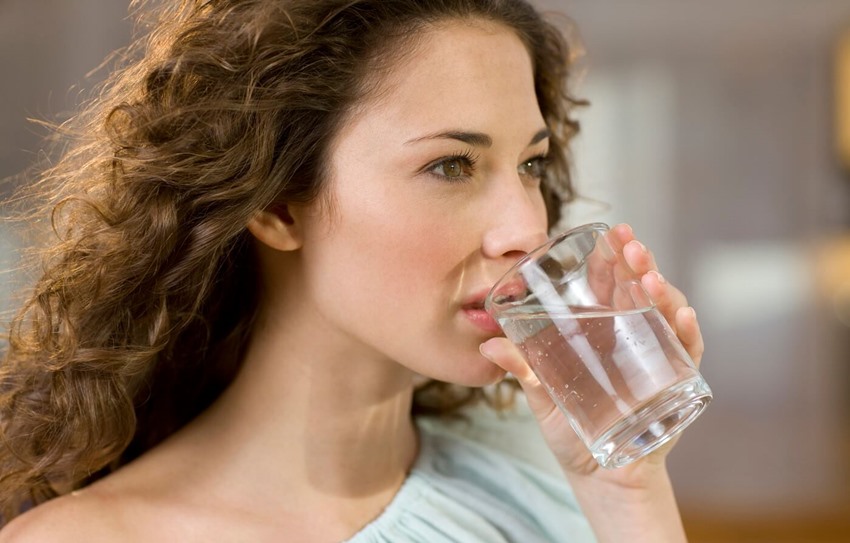
Конечно, сразу таких скачков делать не надо, потому что почки и мочевой пузырь будут против – могут случиться отёки и дополнительно усугубиться дистресс. Поэтому увеличивать этот объём воды нужно постепенно, по одному стакану в день. Примерно в течение пяти дней человек доходит до своей нормы. И нужно настраивать человека на то, что, выйдя из дистресса, ему рекомендуется оставить этот объём воды дальше для себя, чтобы он стал привычным.
Почему лучше использовать именно воду, а не какие-то другие напитки? Потому что они, как правило, обладают дегидратирующим действием, то есть дополнительно вытягивают воду в просвет желудочно-кишечного тракта. И, например, такие вещества, как тиин и кофеин, ещё и обладают мочегонным действием, а значит, усиливают отток воды из тела.
Почему так важно соблюдать водный режим? Было доказано, что такие состояния, как депрессия, повышенная возбудимость и агрессивность, могут быть связаны на самом деле без всякого стрессогенного фактора только с дефицитом воды. То есть, на самом деле, прежде чем начать лечить человека антидепрессантами, медитацией, отправлять его на психотерапию, нужно посчитать, сколько он пьёт воды, и, возможно, этого будет достаточно.
-
Избавление от информационной замусоренности
Человек встаёт утром, включает телевизор, там идут новости, он включает смартфон, там, в социальных сетях, какие-то события, которые его личной жизни вообще никаким образом не касаются. И плюсом он ещё постоянно прокручивает в голове то, что ему нужно сделать, то, чем нужно заняться, спланировать, какие-то свои страхи, тревоги. Таким образом, человек себя погружает в хронический дистресс. Поэтому хорошо и здорово время от времени устраивать информационную аскезу.
Это значит назначить себе какие-то дни недели, когда не будет включенного телевизора, будут только звонки по каким-то необходимым вопросам, и вообще не будет никаких мелькающих картинок перед глазами, лишних людей и контактов.
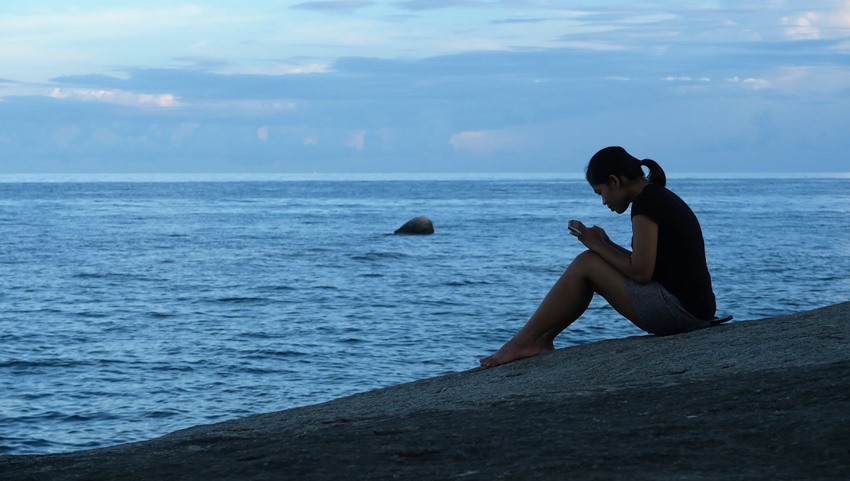
-
Избавление от токсичных мыслей
Токсическим действием на психику обладают так называемые токсические мысли. Появляются они чаще всего из ощущения, что человек отвечает за поступки, действия, поведение, реакции, хорошее самочувствие других людей. То есть, если говорить словами обывательскими, то это некоторая мания величия или фантазм всемогущества.
И вот такие идеи о том, что вы можете воздействовать на окружающих с целью их спасти, помочь или, как говорят психологи, «причинить добра», усиливают вашу тревогу, она становится совершенно безвыходной, потому что фактически вы не можете этого сделать.
Также серьёзной причиной вот этого нескончаемого эндогенного стресса является идея о тотальном контроле – «я могу всё проконтролировать». В какой-то момент жизни в состоянии дистресса человеку придётся столкнуться со своей беспомощностью и сказать, что я сдаюсь. Потому что, если человек вовремя не сдастся и не откажется от идеи тотального контроля, то невозможно будет сделать ничего с его саморазрушительной тенденцией погружения в дистресс и перехода в психосоматическую реакцию.
-
Толерантность к неопределённости
Тут придётся смириться с тем, что частью мира, пространства информации мы не только не можем управлять, но не можем предвидеть. Мы все находимся в некотором смысле в этой неизвестности. Никаких гарантий от мира и других людей, что мы будем живы, здоровы, что завтра ничего не случится непредвиденного, мы не получим никогда. И с этой идеей придётся смириться. Остаётся только трезвое планирование и вера в то, что я делаю всё, что в моих силах.
-
Хороший сон
Проблемы со сном проявляются в виде трудности засыпания или каких-то ранних тревожных пробуждений, ночных пробуждений, когда человек просыпается в два-три часа ночи и не может уснуть. Специалисты-сомнологи прекрасным образом помогают человеку работать с бессонницей, если есть необходимость. Но существуют и определенные универсальные рекомендации.
Нужно завести правило, что постель предназначена только для сна и секса. Больше ничего там не должно происходить – ни чтение литературы, ни беседы на тему, как дальше сложится наша жизнь, ни делание уроков с детьми, то есть ничего другого.
Не рекомендуется смотреть телевизор перед сном, лёжа в постели. Нужно выключить свет, зашторить тёмные шторы, выключить ночник. В процессе пробуждения ночью человек включает свет, и мелатонин, который настроен на хороший, глубокий, продуктивный сон и нормализацию работы иммунной системы, перестаёт выделяться. После того, как человек выключил свет после получаса бодрствования, мелатонин не начинает синтезироваться заново: для того, чтобы это случилось, нужно вновь специальное погружение.
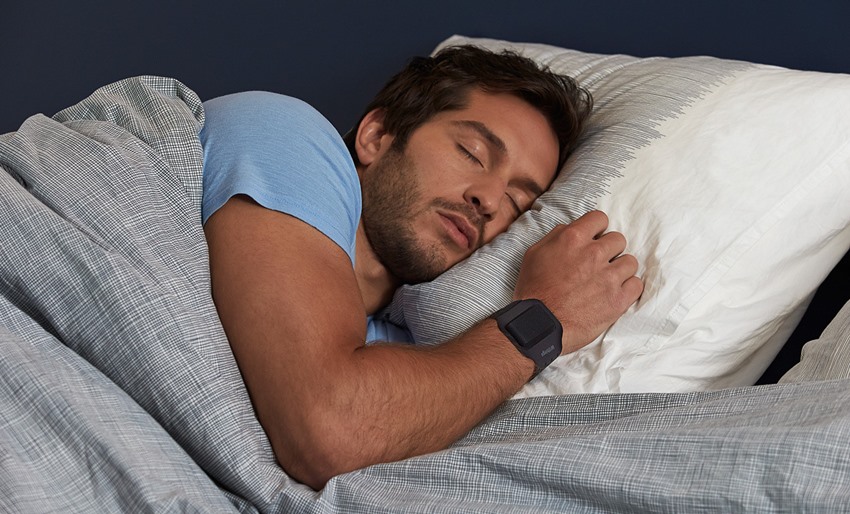
-
Границы
Очень часто причиной дистрессовых реакций является нарушение границ как психических, так и физических. Нужно стараться себе эти границы организовать. Физически – это дистанция с окружающими, даже с самыми близкими, и, конечно, границы психические. Нарушением психических границ являются советы без спроса, предписание установки и долженствования – ты должен делать так независимо от того, хочешь этого или нет. Сюда же можно отнести оценки сравнения и обесценивания в сторону человека, особенно если он зависит от этих оценок.
Нарушение обязательств и договоренностей также является источником дистресса, потому что затрагивает психические границы. Также в списке ложь, искажение и сокрытие фактов, обнародование и обсуждение личной информации другого человека без его согласия и ведома и игнорирование.
-
Потребности
Возьмем пирамиду потребностей. На первом месте находятся естественные, базовые физиологические потребности – это вода, здоровая еда. Это также какие-то бытовые факторы естественной безопасности и хобби, дружба, увлечения, контакты, связанные с темой уважения.

Это факторы, которые помогают чувствовать и развивать свою самоценность, самоуважение. Ну, и конечно образование, творчество – то, чем мы так любим заниматься. И было бы здорово, если бы предыдущие слои потребностей были удовлетворены для того, чтобы делать это продуктивно.
Следите за своими потребностями, задавайте вопрос: где в пирамиде потребностей находится какой-то дефицит.
Профилактика стрессовых состояний
Профилактика стресса – это основа психического здоровья. Своевременно приложенные усилия в этом направлении могут помочь избежать серьезных проблем в будущем. Что для этого нужно?
-
Поменять свое отношение к ситуации
Большинство проблем носит временный характер. Нужно понимать: что бы ни случилось – это не навсегда. Когда возникают какие-то трудности, необходимо трезво оценить ситуацию и попробовать поискать пути их преодоления. Иногда на это требуется большое количество времени, и к этому стоит быть готовым. Самоорганизация и спокойный взгляд на проблему – главные помощники в борьбе со стрессом. Как говорится, не можешь изменить ситуацию – измени свое отношение к ней.
-
Настроиться правильным образом
То, как мы смотрим на трудности, может повлиять на ход событий. Чем проще и оптимистичнее человек воспринимает действительность, тем меньше стресса в его жизни. Важно учиться этому с ранних лет, формировать правильные установки, не давать негативным убеждениям пускать корни в нашем сознании. Если это все-таки произошло, имеет смысл использовать когнитивно-поведенческую терапию, в ходе которой психоаналитик пытается выяснить, каковы истинные причины негативных жизненных установок. Пациент должен понять, что его убеждения – ложные, навязанные извне, от них нужно избавляться.
-
Изменить образ мыслей
Чтобы не испытывать стресс на постоянной основе, необходимо перестроить свое мышление. И сделать это невероятно сложно, это большая работа над собой. Придется проанализировать свое поведение в течение жизни, свои реакции на события, привычный способ решения проблем и, возможно, развернуть все это на 180 градусов. Это поможет стать человеком, более уверенным в себе, осознанным, принимающим на себя ответственность и не боящимся ее.
Путь изменения собственного сознания довольно длинный и непростой, пройти его поможет психотерапевт, самостоятельно это сделать непросто. Важна и поддержка близких, которые, к слову, часто сами сопротивляются изменениям, происходящим в их друге/родственнике/любимом, ведь он становится другим, не таким удобным.
-
Использовать методику самовнушения
Стресс базируется на неспособности человека справиться с какой-либо проблемой и возникающих из-за этого тревожности и чувстве вины.
Чтобы бороться с такими состояниями, можно упражняться в самовнушении. Это делается дома и занимает примерно 15 минут в день. За основу берутся аффирмации – специальные мотивирующие или успокаивающие фразы, которые человек говорит сам себе. Важно, чтобы они находили отклик в его душе, имели реальную значимость для него. Аффирмации можно периодически менять в зависимости от ситуации и душевного состояния. Рано или поздно работа над собой приведет к положительным результатам в виде повышенной стрессоустойчивости, позитивного настроя, уверенности в себе.
-
Использовать методику переключения
Суть метода заключается в том, чтобы абстрагироваться от проблемы, переключиться. Однако это действенно только в том случае, если человек никак не может повлиять на ход событий, но при этом испытывает чувство вины, находится в напряжении. Переключаться можно на какие-то виды активности: спорт, хобби, медитация и т.п.
-
Анализировать свои психологические установки
Важно анализировать свои мысли, реакции, чувства. Осознанность крайне важна в устранении стресса, ведь гораздо проще бороться с врагом, которого ты знаешь в лицо.
Разговор с собой, самовнушение – это то, что поможет выйти на другой уровень восприятия проблемы, посмотреть на нее под иным углом.
-
Формировать позитивное мышление
Конечно, невозможно стать позитивным человеком по щелчку пальцев, над этим придется потрудиться, пройти предыдущие этапы, подготовить почву. Кроме того, позитивное мышление – это постоянная работа над собой, ведь скатиться обратно в негатив очень легко.
Мышление формирует нашу реальность. Человек, который постоянно думает о плохом, заранее настраивает себя не неудачи, не замечает очевидных положительных моментов, постоянно стрессует. Чтобы избежать этого, придется постоянно контролировать себя, но эта работа обязательно принесет положительные результаты.
-
Медитировать
Зачем нужна медитация? Можно ответить кратко – «заглянуть в себя», «увидеть свою сущность», «успокоить и освободить ум», «приобрести внутреннюю силу и энергию». Один из доказанных эффектов медитации: снижение уровня стресса и физиологических проявлений тревожности.
Подведем итог. Если умеренная эмоциональная нагрузка держит человека в тонусе и в чем-то даже полезна, то постоянное внутреннее напряжение самым негативным образом отражается на здоровье. Знание психологии стресса, информация о том, как правильно с ним бороться, помогут решить многочисленные проблемы и значительно облегчат жизнь.